Physical Address
304 North Cardinal St.
Dorchester Center, MA 02124
Physical Address
304 North Cardinal St.
Dorchester Center, MA 02124

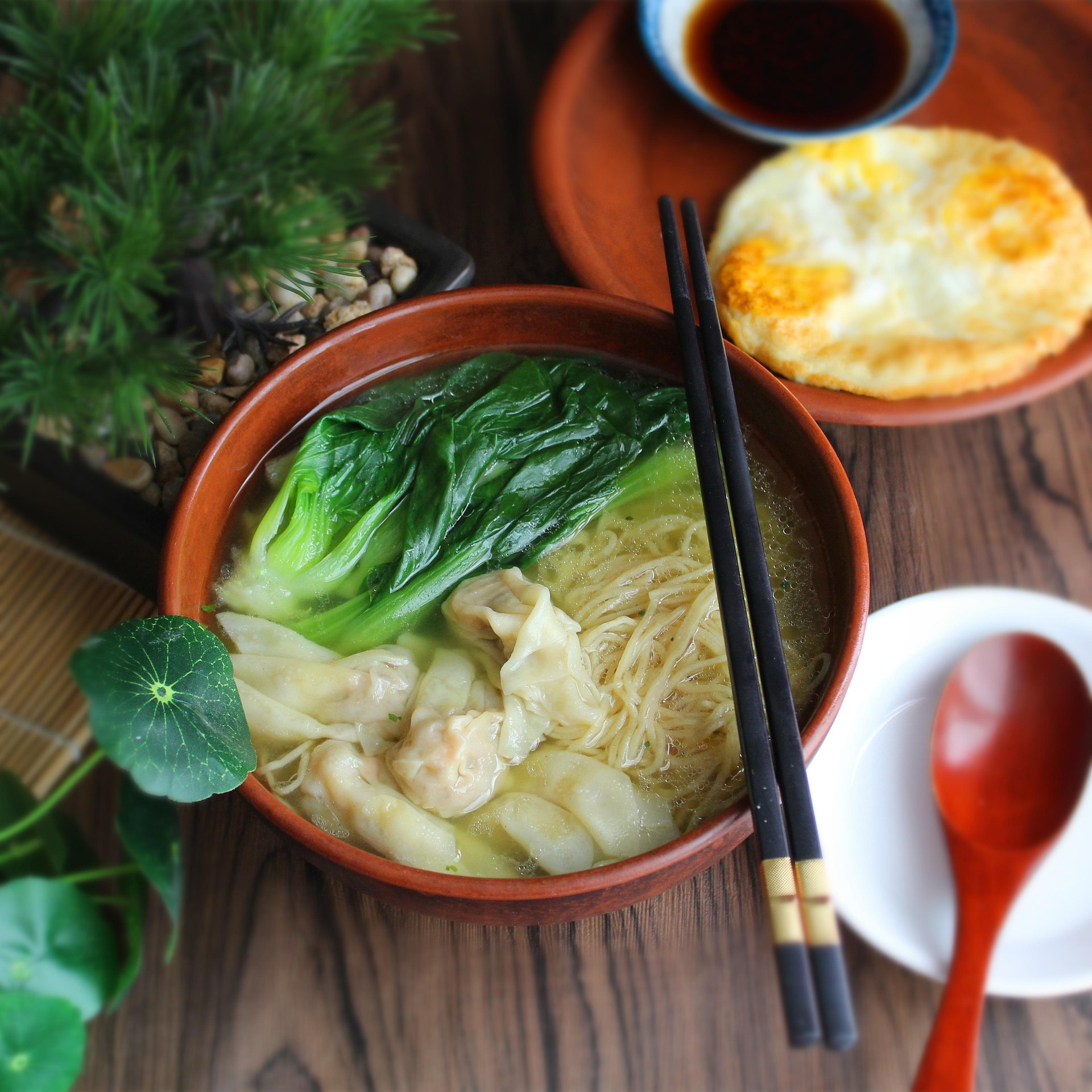
Being in the restaurant business is brutal. Margins are thin, competition is everywhere, and customer expectations are incredibly high. One bad experience can completely change the way a customer feels about a restaurant they once loved. It does not matter how good the food is, how generous the portions are, or how many positive reviews a place has online. If a customer walks away feeling ignored, frustrated, or disrespected, there is a good chance they are never coming back.
That is the harsh reality of the restaurant industry today. Customers have endless choices, and loyalty can disappear overnight.
I recently had two experiences that perfectly demonstrate this problem. Both restaurants lost me as a customer, not necessarily because of the food, but because of poor service and a failure to handle simple operational issues. These situations reminded me just how fragile customer relationships really are in the food business.
About a year ago, I regularly visited a Hawaiian BBQ restaurant near my home. It became one of my favorite local spots for a few reasons. The portions were generous, the prices were reasonable, and most importantly, the service was usually fast. When you find a reliable restaurant that consistently delivers good food quickly, it naturally becomes part of your routine.
I probably visited this place dozens of times without any major issues. That consistency is what keeps customers returning. People appreciate familiarity and reliability. Restaurants that can consistently meet expectations often build loyal followings.
Unfortunately, all it took was one terrible experience to completely destroy my trust in the place.
During my last visit, I placed my order and waited like usual. After some time passed, I noticed customers who arrived after me were getting their food while I was still waiting. At first, I assumed the kitchen was just behind. But as more time passed, I became concerned.
Eventually, I checked with the front employee to ask about my order. They told me it was not ready yet, so I continued waiting patiently. Another twenty or thirty minutes went by, and still nothing happened. At that point, I had been waiting nearly an hour.
What made the experience even worse was the fact that nobody followed up with me again. No employee checked on the situation. No one apologized for the delay. Everyone else continued receiving their orders while I stood there wondering what was happening.
Eventually, I discovered that another customer had mistakenly taken my food because they had ordered the exact same thing. The only difference was the name on the order.
The restaurant’s system for calling orders was a disaster. Instead of calling customer names or order numbers, employees simply shouted out the food items. In a busy restaurant where multiple customers order the same meals, confusion is inevitable. Anyone could accidentally grab the wrong order.
This was not just an isolated mistake. It was a flawed system.
What frustrated me most was not even the mix-up itself. Mistakes happen in every business. What matters is how businesses respond when problems occur. In this case, the staff seemed completely unaware of what was happening. There was no urgency, no communication, and no effort to correct the situation quickly.
As a customer, standing around for nearly an hour while everyone else gets served creates a feeling of invisibility. You begin to feel like nobody cares whether you are there or not.
After the experience, I wrote a negative review on Yelp explaining what happened. To the owner’s credit, they did reach out afterward in an attempt to repair the relationship. Some businesses ignore criticism completely, so at least they tried to respond.
However, by that point, the damage had already been done.
What also influenced my decision not to return was seeing multiple reviews from other customers describing similar experiences. That told me this was not simply a one-time accident. It was an ongoing operational problem that management had failed to fix.
Once customers believe a business has recurring issues, trust disappears quickly.
The unfortunate reality is that restaurants rarely get unlimited second chances. Customers have too many alternatives nearby. Why risk another frustrating experience when there are dozens of other places competing for your money?
More recently, I had another frustrating restaurant experience that reinforced this same lesson.
This time it happened at a noodle restaurant I had visited before without any major problems. My wife and I arrived and immediately noticed several people standing near the entrance waiting to be seated. Naturally, I assumed there was a waitlist system in place.
I added my name to the waitlist and waited patiently, expecting we would be seated in order.
Then things became confusing.
A group of three people arrived after us and got seated almost immediately. At first, I thought maybe they had a reservation. But shortly afterward, another party consisting of just one person also arrived after us and was seated before we were.
At that point, I was getting irritated.
Waiting itself is not necessarily the problem. Most customers understand that restaurants get busy. What frustrates people is inconsistency and confusion. If customers feel the process is unfair or disorganized, emotions escalate quickly.
I seriously considered leaving right then and there. Honestly, if I had been alone, I probably would have walked out immediately.
My wife encouraged me to say something instead of silently leaving angry. She went inside and politely explained that two separate parties had been seated before us even though we had already signed the waitlist.
What surprised me most was the employee’s reaction.
There was no apology. No acknowledgment that the situation was frustrating. No effort to make things right. The employee simply seated us as if nothing unusual had happened.
That kind of response matters more than many restaurant owners realize.
Customers do not expect perfection. Restaurants are busy environments where mistakes and misunderstandings happen constantly. But customers do expect basic accountability and professionalism. A simple apology can completely change how someone feels about a situation.
Instead, the interaction felt cold and dismissive, almost like they did not care whether we stayed or left.
Because of that experience, I decided not to leave a tip. In my opinion, tipping is connected to service quality, and the service we received did not deserve additional reward. More importantly, the experience made me question whether I would ever return.
Again, this restaurant probably lost a customer permanently over one poor experience.
These experiences highlight an important truth about modern restaurants: customer service often matters just as much as the food itself.
A restaurant can have amazing dishes, large portions, and competitive pricing, but poor service can erase all of those positives instantly. Customers remember how they were treated emotionally. Feeling ignored or disrespected leaves a much stronger impression than simply eating a good meal.
This becomes even more important in today’s world where online reviews can significantly impact business reputation. Platforms like Yelp and Google Reviews allow customers to instantly share negative experiences with thousands of potential customers.
One bad interaction no longer affects only a single customer. It can influence entire groups of people deciding where to eat.
Word-of-mouth also remains incredibly powerful. When someone has a terrible experience at a restaurant, they naturally tell friends, family members, and coworkers about it. Negative experiences spread quickly because people often feel stronger emotions when they are frustrated than when everything goes smoothly.
Restaurants are not just competing on food quality anymore. They are competing on consistency, communication, and customer experience.
What makes these situations especially frustrating is that both problems were preventable.
The Hawaiian BBQ restaurant could easily improve its order system by using names or order numbers instead of shouting menu items. That small operational change could eliminate confusion entirely.
The noodle restaurant simply needed better waitlist management and basic communication. Even a sincere apology would have dramatically improved the situation.
Many businesses underestimate how quickly small frustrations can escalate into permanent customer loss. From the restaurant’s perspective, these incidents may seem minor. But from the customer’s perspective, the experience becomes associated with wasted time, embarrassment, stress, and disappointment.
People spend money at restaurants not only for food but also for convenience and enjoyment. When a dining experience becomes stressful instead, customers begin questioning whether it is worth returning.
Acquiring new customers is expensive. Restaurants spend significant amounts of money on advertising, promotions, online marketing, and special offers to attract people through the door.
Losing existing loyal customers is far more damaging than many owners realize.
Loyal customers provide repeat business, positive reviews, and referrals. They become reliable revenue sources over time. But once that relationship is broken, rebuilding trust becomes incredibly difficult.
In both of my experiences, the restaurants probably viewed the situations as small mistakes in busy environments. But for me, those moments permanently changed how I viewed their businesses.
That is why the restaurant industry is so unforgiving.
One bad experience can outweigh years of positive ones.
Running a restaurant is incredibly difficult. Employees deal with pressure, impatient customers, staffing shortages, and nonstop chaos every day. Mistakes are inevitable.
However, customers usually judge restaurants not by whether mistakes happen, but by how those mistakes are handled.
Good communication, accountability, and genuine customer care can often save a bad situation before it turns into a lost customer. Unfortunately, when customers feel ignored or disrespected, the relationship can end immediately.
That is exactly what happened in both of my recent experiences.
I used to enjoy both restaurants and had every intention of continuing to support them. But after feeling overlooked, frustrated, and undervalued, I simply lost interest in returning.
And that is the brutal truth about the restaurant business.
One bad experience is all it takes.