Physical Address
304 North Cardinal St.
Dorchester Center, MA 02124
Physical Address
304 North Cardinal St.
Dorchester Center, MA 02124

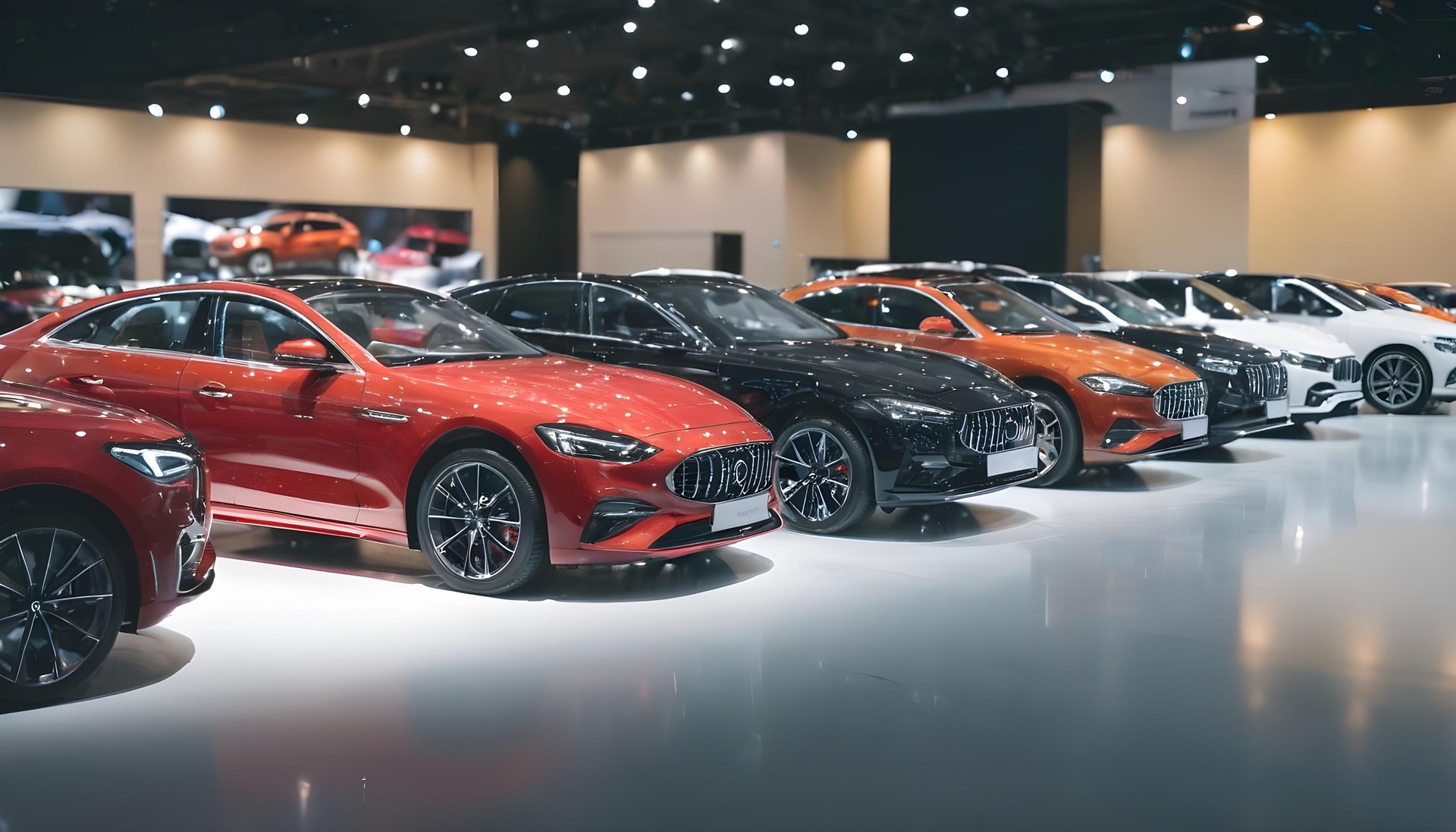
We’ve all felt that spark. You’re driving down the highway when a sleek, low-slung sports car glides past you. The glossy paint, the iconic logo, the throaty growl of the engine — it screams success. Luxury cars like BMWs, Mercedes-Benzes, Audis, and even higher-end brands like Porsche or Tesla are often viewed as status symbols. They’re the adult version of a gold star on your homework: proof that you’ve “made it.”
But before you walk into a luxury dealership with a pen in hand and dreams of premium leather seats in your head, pump the brakes. Because while luxury cars may feel like a reward, financially speaking, they’re often one of the worst investments you can make.
Let’s break down exactly why these high-end vehicles are money pits disguised as trophies — and why your wallet (and future self) will thank you for sticking with a reliable, affordable Toyota or Honda instead.
Let’s start with the obvious. A luxury car costs more than a standard one. But what most buyers forget is that the price tag is only the start of the expense.
For example:
That’s a $30,000–$40,000 difference just to get in the door. That same money could buy you a brand-new Honda and cover insurance, gas, and maintenance for years.
And what do you get for that premium? A slightly smoother ride? A few more bells and whistles? Maybe. But certainly not double the value, double the reliability, or double the lifespan.
When you buy a car, it starts losing value the moment you drive it off the lot. This is called depreciation, and luxury vehicles often take the hardest hit.
Here’s how it typically plays out:
A 5-year-old BMW that originally cost $70,000 might now be worth only $30,000 — and dropping. Meanwhile, a Toyota Corolla that cost $22,000 new might still fetch $12,000–$14,000.
This means you’re bleeding value over time — and for what? A badge?
Auto insurance companies base your premium on several factors: the car’s cost, how often it’s stolen, how expensive it is to repair, and your driving record.
Luxury cars:
Let’s say you’re comparing insurance premiums:
That’s an extra $1,000+ per year, every year, just to protect a car that’s dropping in value like a rock.
Luxury brands love their exclusivity — but that comes at a cost. Literally.
Not every mechanic works on luxury cars, especially European models. You’ll need a certified technician, and their labor rates are significantly higher — sometimes $150–$200/hour or more.
And don’t forget: many luxury vehicles require premium fuel, which adds even more cost at every gas station stop.
Meanwhile, Toyotas and Hondas are known for their simplicity and durability. Parts are cheap, repairs are straightforward, and any certified mechanic can handle them. Need to fix a brake system on a Corolla? Maybe $300–$500, tops. That same job on a Range Rover might cost you $2,000.
One of the biggest myths about luxury cars is that they’re “better built.” But reliability data consistently tells another story.
Consumer Reports and J.D. Power regularly rank brands like Toyota, Honda, Mazda, and Subaru near the top in reliability. Meanwhile:
The reason? Luxury cars are often packed with complex features and tech that look impressive but break more often. Adaptive suspension systems, retractable spoilers, digital dashboards — they’re cool until they malfunction and cost thousands to fix.
A reliable Toyota Camry might run for 250,000 miles with minimal issues. A luxury car? You may start seeing major problems by 100,000 miles — right when your warranty is long gone.
Luxury car marketing is brilliant. They don’t sell you a vehicle — they sell a lifestyle. Driving a Lexus or BMW is supposed to mean you’re successful, sophisticated, ahead of the curve.
But here’s the hard truth: real financial success doesn’t come from what you drive. It comes from smart decisions, like minimizing unnecessary expenses and investing your money in appreciating assets — not depreciating liabilities.
Imagine what else you could do with the $30,000–$40,000 you save by buying a Honda instead of a BMW:
Which will get you further in life: a flashy car or financial freedom?
Choosing a more affordable car doesn’t mean giving up comfort or style. In fact, brands like Toyota and Honda have dramatically upped their game in recent years.
Modern Civics and Accords come with:
And they look great, too. The 2025 Toyota Camry or Honda Civic Sport can easily turn heads — and they don’t scream “budget car” like they used to.
You can drive something safe, efficient, tech-savvy, and good-looking — without lighting your bank account on fire.
Ultimately, it comes down to this: Do you want to impress others for a moment or set yourself up for decades of financial peace?
Buying a luxury car can feel good — for a little while. You’ll get compliments, maybe a few envious stares. But the novelty wears off. The payments, maintenance, and insurance costs don’t.
Meanwhile, people who drive affordable, reliable vehicles quietly win in the background. They build savings. They invest. They take vacations without credit card debt. They retire early. They sleep well.
It’s not flashy. But it’s freedom.
There’s no shame in wanting a nice car. But you need to ask yourself: At what cost? If a luxury vehicle is going to devour your finances and drain your peace of mind, is it truly “luxurious”? Or is it just an expensive trap?
Luxury cars are status symbols, but they come with luxury-level problems: high prices, high depreciation, high insurance, expensive repairs, and often mediocre reliability.
Meanwhile, tried-and-true brands like Toyota and Honda deliver unbeatable value, reliability, and efficiency — all without breaking the bank.
If you’re looking to build long-term wealth, reduce financial stress, and still enjoy the freedom of the road, choose practicality over prestige. Your future self — and your wallet — will thank you.