Physical Address
304 North Cardinal St.
Dorchester Center, MA 02124
Physical Address
304 North Cardinal St.
Dorchester Center, MA 02124

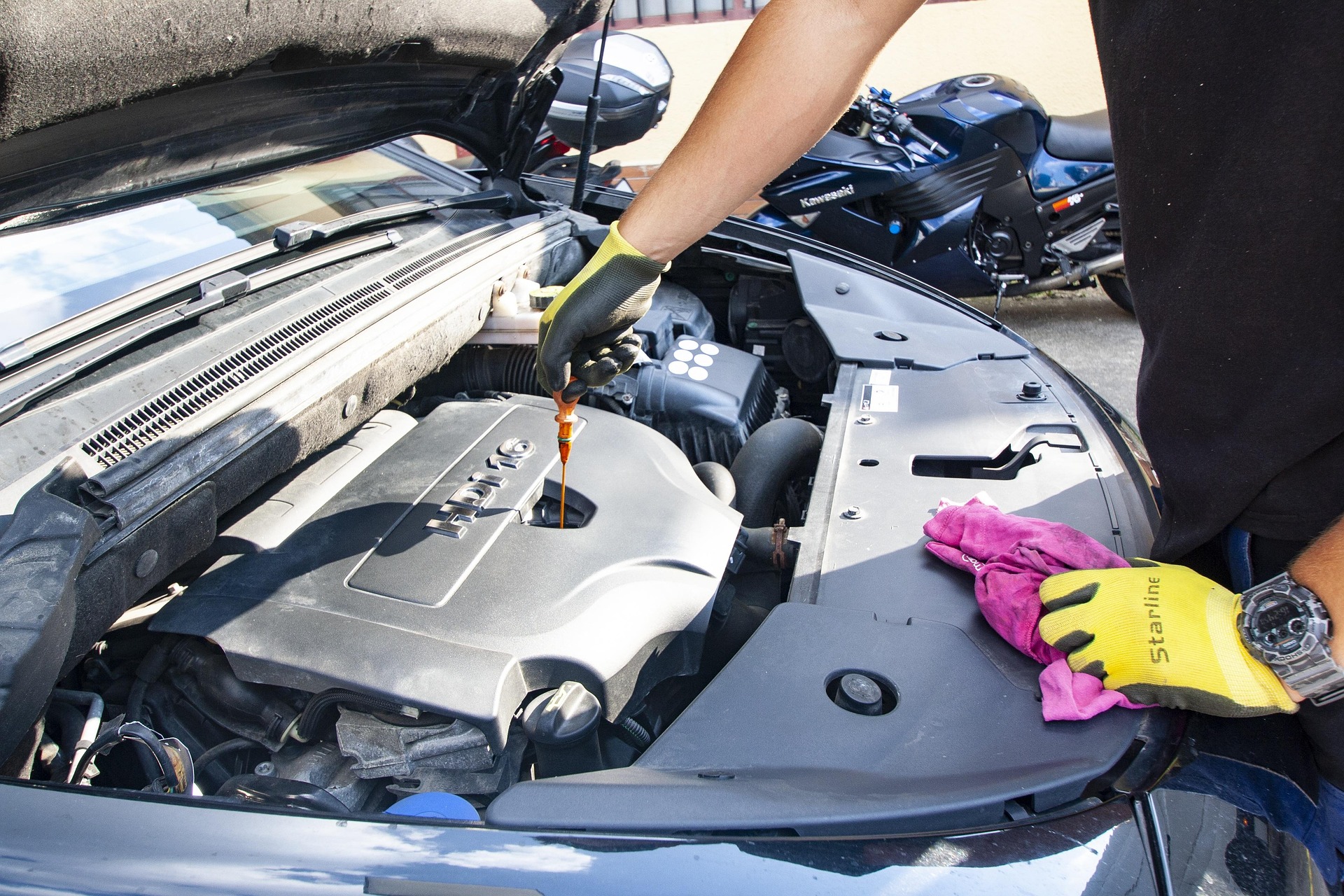
For years, I did what most drivers do: I took my car to a dealership or auto shop for regular oil changes. I followed the schedule, trusted the professionals, and paid whatever price they gave me—because, well, that’s just what you do, right? It seemed like the responsible thing to do for the long-term health of my vehicle.
But after years of overpaying, waiting endlessly in lobbies, and getting upsold on services I didn’t need, I finally hit a breaking point.
This post is about what led me to ditch professional oil changes altogether and why I now change my own oil. If you’re tired of overpriced services, questionable quality, and wasting time, this might just be the wake-up call you need.
My breaking point started back in 2016, when I discovered something troubling at the dealership I had trusted for years. I owned a car that required synthetic oil, and at the time, an oil change cost around $79.99—already on the high side.
But here’s what they were doing: They split one oil change into two separate services, both priced at $79.99 each.
When I asked about it, they explained that synthetic oil lasts longer, so the oil itself didn’t need changing at 5,000 miles. Fair enough—but then why charge the full price of an oil change for just an inspection?
Effectively, they were charging $160 for one oil change, just spread across two visits. It was a hidden markup disguised as “maintenance scheduling,” and many customers likely never noticed.
And that was in 2016. Fast forward to 2023, and the price for a synthetic oil change had climbed to around $130. That means if they stuck to their two-visit model, you were paying over $250 for one actual oil change.
All for something that should cost a fraction of that.
At some point, I decided to stop going to the dealership and started using local chain shops. You know the ones—Jiffy Lube, Pep Boys, Big O Tires. I figured I’d get the same service for less money and less hassle.
Spoiler: I was wrong.
The cost at these chain locations wasn’t that much better. A synthetic oil change was still running $75 to $100, depending on the brand of oil and location. And they had their own shady tactics—trying to upsell you on air filters, coolant flushes, and cabin filters every time you came in. You walk in for a $99 oil change and somehow walk out with a $300 bill.
But the final straw came recently when I took my car to a Big O Tires location for an oil change.
I paid full price, but a month later I decided to check the oil to see how it is.
The oil was jet black. Not the light brown or amber color you’d expect from relatively new synthetic oil. Not even dark brown. Black.
That’s not what fresh oil looks like. It looked like it hadn’t been changed at all. And while I can’t prove they skipped the oil change, I have enough experience with cars to trust my gut—and my dipstick.
So here I was, once again, paying over $85 for a service that might not have even been performed.
I had enough.
Fed up with being overcharged and underserved, I decided to finally learn how to change my own oil.
At first, it sounded intimidating. I didn’t grow up working on cars. I’m not a mechanic. I don’t have a garage full of tools or a hydraulic lift. But after doing some research and watching a few YouTube tutorials, I realized something:
Changing your own oil is easier than you think.
Here’s what I learned:
Let’s break down the cost of doing it yourself:
If you already have some tools or ramps, your recurring cost per oil change is just $25 to $35.
Compare that to the $130+ charged at a shop or dealership. That’s a savings of at least $100 per oil change—and more if you drive multiple vehicles. You basically breakeven after the first oil change.
A lot of people hesitate because they think it takes too long. But here’s the thing:
It takes about 30 minutes.
Once you get the hang of it, it’s quicker than driving to the shop, checking in, waiting around for them to call your name, and driving home again. Not to mention, there’s no waiting room filled with stale coffee and daytime TV.
Plus, there’s something satisfying about doing it yourself. You know the job is done right because you did it.
Sure, saving money is a big part of it—but the benefits of DIY oil changes go deeper than just financial.
You know the oil was actually changed. No second-guessing. No wondering if the shop skipped steps or used low-quality oil.
You start to learn more about your car. You get familiar with how it works, what good oil looks like, and how to spot problems before they become expensive repairs.
No one’s trying to sell you cabin filters or transmission flushes “urgently.”
There’s a simple pride that comes from doing something yourself, especially when it saves you money and stress.
If you’re thinking of trying it yourself, here’s a basic checklist:
There are thousands of free tutorials online for almost every make and model. And once you’ve done it once, the second time is even easier.
Let’s recap.
After years of paying too much and getting too little, I took matters into my own hands—literally. And I’m never going back.
Changing your own oil isn’t just about saving money (though that’s a huge perk). It’s about taking back control from a system that’s gotten bloated, inefficient, and too often predatory.
So if you’re tired of long wait times, high prices, and shady shop practices, consider giving DIY oil changes a shot.
Your car—and your wallet—will thank you.