Physical Address
304 North Cardinal St.
Dorchester Center, MA 02124
Physical Address
304 North Cardinal St.
Dorchester Center, MA 02124

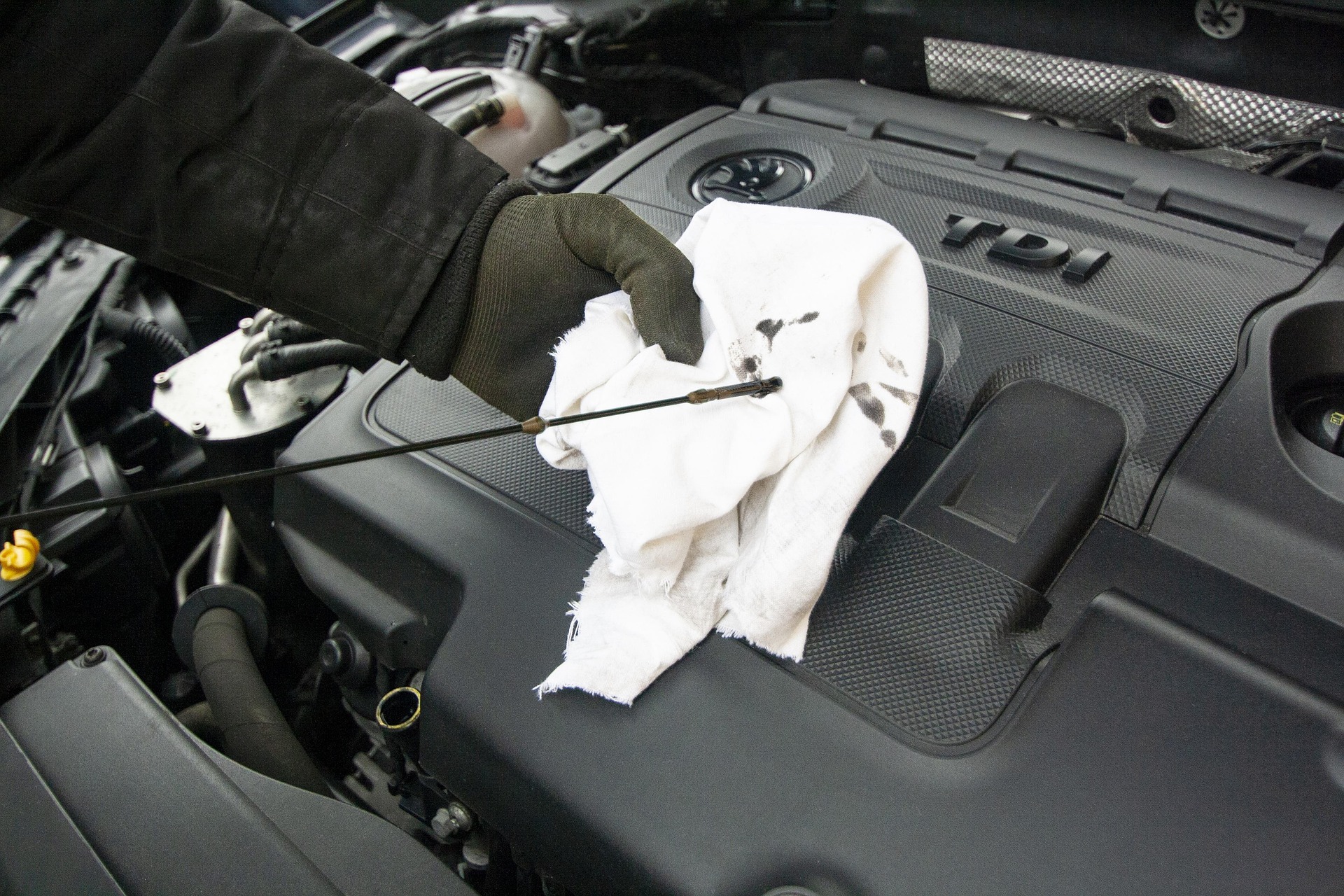
For years, I was loyal to the big names in motor oil—Mobil 1, Castrol GTX, Pennzoil, and the like. If it wasn’t a premium, widely recognized brand, I wouldn’t even consider putting it in my engine. After all, everyone knows that when it comes to engine protection and performance, you get what you pay for, right?
Well, not exactly.
As I’ve come to learn, the world of motor oil isn’t as black and white as brand marketing would have you believe. In fact, many of the cheaper, generic brands like SuperTech (Walmart), Kirkland Signature (Costco), and even AmazonBasics offer oil that meets the same industry standards—and in some cases, may even outperform their premium counterparts.
This realization has not only saved me a lot of money, but it’s also completely changed how I think about car maintenance and what’s truly important when it comes to oil changes. If you’re still shelling out top dollar for brand-name motor oil, it might be time to take a closer look at what you’re actually paying for.
Like many car enthusiasts and DIYers, I grew up hearing that Mobil 1 was the gold standard. It’s plastered on race cars, recommended by performance mechanics, and prominently displayed at auto parts stores. So naturally, when I started doing my own oil changes, I gravitated toward Mobil 1 without thinking twice.
It wasn’t just brand loyalty—it was belief. I genuinely thought that using a premium oil would make my engine last longer and perform better. And in fairness, Mobil 1 does meet some of the highest industry certifications and specifications.
But over time, something didn’t quite add up. Despite using Mobil 1 religiously, I noticed that my car was burning through oil faster than I expected. I’d top it off every few weeks, even though I wasn’t doing anything extreme—just normal commuting, with the occasional road trip. I started asking myself: If this oil is supposed to be “the best,” why am I constantly topping it off?
That question led me down a rabbit hole of research, forums, and technical specs—and what I discovered blew my mind.
First, let’s get one thing straight: All motor oil sold in the U.S. must meet certain baseline standards set by the American Petroleum Institute (API) and the International Lubricants Standardization and Approval Committee (ILSAC). These certifications (like API SP or ILSAC GF-6) ensure the oil meets specific performance, cleanliness, and wear protection criteria.
If a bottle of oil has the API donut symbol and meets your car’s manufacturer specification, it is considered safe and effective to use—whether it’s $35 a jug or $20.
So why do brand-name oils cost more? The answer comes down to marketing, distribution, and perception.
Mobil 1, Castrol, Pennzoil, and Valvoline spend millions—sometimes hundreds of millions—on advertising, racing sponsorships, and product placement. That cost gets passed down to the consumer. When you buy premium oil, you’re often paying for the brand image and not necessarily superior performance.
What really opened my eyes is that many generic oils are manufactured by the same large companies that produce the big-name brands. For example:
That means the oil you’re buying under a generic label could very well be the exact same formulation—or incredibly close—to what’s inside a more expensive bottle.
Here’s a hard truth: motor oil isn’t some magical elixir that will keep your engine young forever. What really matters is how often you change it, whether it meets your car’s required specifications, and how you drive.
Even the best oil can’t protect an engine if you:
Once I started looking at oil through this lens, my entire maintenance routine changed. I stopped worrying about brand names and focused on:
I also paid more attention to oil consumption—because for all its hype, Mobil 1 seemed to burn faster in my engine than other oils I’ve tried since.
After years of paying for top-shelf brands, I decided to give SuperTech synthetic a try. It met all the necessary API and ILSAC ratings, was available in the correct viscosity, and was less than half the price of Mobil 1.
I was skeptical at first. I expected my engine to sound different or perform worse, but none of that happened.
In fact:
I’ve since used Kirkland Signature full synthetic in another vehicle, and the story is the same—no issues, great performance, and significant savings.
So, if generics work just as well, why do so many people still pay more for brand-name oils?
People are creatures of habit. If they’ve used Castrol for 10 years without problems, they’re not likely to switch. Brands build emotional trust—something that’s hard to break, even with facts.
Marketing creates the perception that brand-name oils have some secret sauce or cutting-edge additive package that justifies the cost. In reality, most meet the same base standards. Some may excel in specific tests (cold weather performance, high-temp stability), but for the average daily driver, the difference is negligible.
Many shops recommend certain brands because they’ve partnered with suppliers or get better deals on those products. That doesn’t mean the oil is better—it just means the shop has an incentive to push it.
Here’s the takeaway I wish someone had told me years ago:
It’s not the brand of oil that matters—it’s the consistency of your maintenance.
A well-maintained engine running on SuperTech or Kirkland oil will outlast a neglected engine filled with Mobil 1 every 10,000 miles.
So before you spend double on a name, ask yourself:
If the answer is yes, you’re already doing the most important things to keep your engine healthy—no matter what’s on the bottle.
It’s easy to get caught up in brand wars and product hype, especially when it comes to something as critical as your car’s engine. But when you dig beneath the surface, the evidence is clear: generic motor oils meet the same standards and offer the same protection as the big-name brands—sometimes even better.
Sure, there are niche cases where a high-performance engine might benefit from a specific oil formulation. But for 95% of drivers, including myself, the most important thing is to use the right spec oil and change it regularly.
I used to pay for the brand name because I thought it meant better performance. Now I pay for quality—and that doesn’t always come with a fancy label. I’ve switched to generics and haven’t looked back.
The question you have to ask yourself is: Are you paying more for oil, or just paying more for the label?