Physical Address
304 North Cardinal St.
Dorchester Center, MA 02124
Physical Address
304 North Cardinal St.
Dorchester Center, MA 02124
Not too long ago, tipping used to mean something special. It was a way to show appreciation for excellent service. You tipped your waiter or waitress at a restaurant because they provided attentive, personalized service—often going above and beyond to make your dining experience memorable. That was the social contract: tipping was customary, but generally confined to specific industries, like restaurants, bars, or salons.
But fast-forward to today, and that social contract seems to have been torn up, rewritten, and aggressively upsold at every cash register.
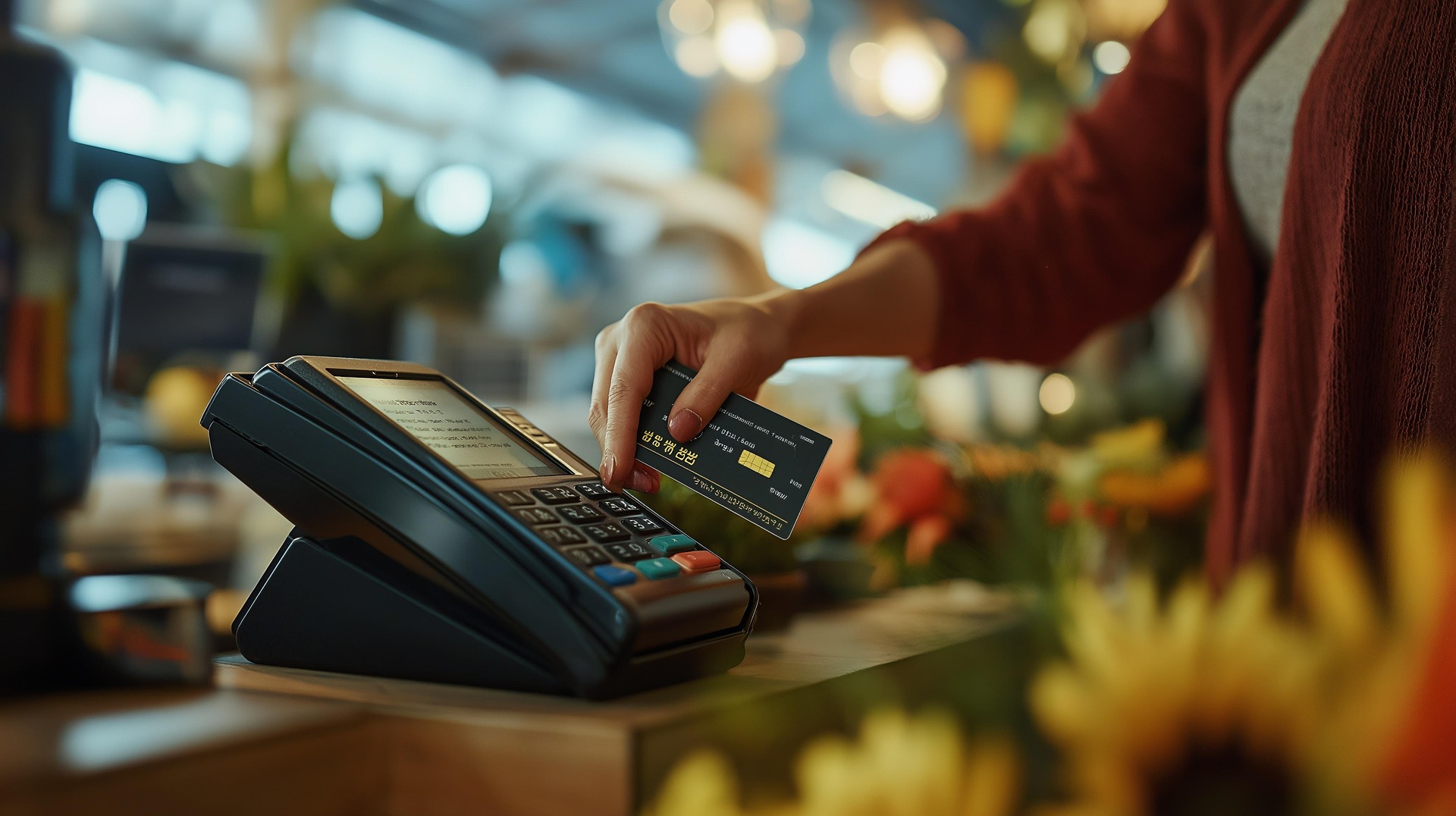
Now, it seems that every time you swipe your card or tap your phone, you’re immediately prompted with a screen asking if you’d like to tip. Not just for table service or a haircut—now it’s for pouring a cup of drip coffee, ringing up a hoodie at a concert merch table, or handing you a pre-packaged sandwich from behind a counter.
It’s everywhere.
One of the most dramatic shifts in tipping culture has come with the widespread adoption of digital point-of-sale (POS) systems—think Square, Toast, Clover, and others.
These sleek tablets or smartphones now greet you at checkout counters across America, giving you three large, friendly options for tipping: 15%, 20%, or 25%. (Or the dreaded “No tip” button, often hidden in a corner like it’s ashamed of itself.)
What makes it worse is that you’re usually prompted to tip before the transaction is even complete, often in full view of the employee. It’s no longer a quiet decision made in private; it’s become a public display of virtue—or perceived stinginess.
This practice is especially prevalent in fast-casual and counter-service establishments—places where tipping wasn’t traditionally expected. When you buy a $5 cup of coffee, you’re now asked if you want to leave a $1.25 tip. That’s a 25% tip for someone who simply handed you the drink you ordered and paid for.
It’s no longer just a tip. It’s a mandatory-feeling surcharge masquerading as gratuity.
If you’re wondering where this stops, you’re not alone.
At concerts, fans have noticed that tipping prompts now appear when buying merchandise. You’re already shelling out $40 for a t-shirt that costs $6 to make—and now you’re asked if you’d like to tip the person who scanned the barcode and bagged it?
What’s next? Tipping at grocery stores? Imagine going through a self-checkout line at your local supermarket and getting prompted: “Would you like to add a 20% tip to thank us for letting you scan your own items?”
It sounds absurd. But we’re already sliding down that slope.
We’re seeing a cultural shift where the tip jar—once a passive glass container on the counter—has gone digital, automated, and way more aggressive.
Let’s be clear: the real issue isn’t with workers. It’s with the business model.
Many businesses, particularly in food service and hospitality, have come to rely on tipping to subsidize their labor costs. Instead of paying employees a truly livable wage, they pass that responsibility onto the customer—framing it as a “reward” or “gratitude.”
In industries where tipping wasn’t standard before, POS systems have made it easy for employers to add that option—without raising prices or paying staff more. From a business perspective, it’s genius. From a consumer and worker perspective, it’s deeply flawed.
This model essentially allows businesses to say: “We can offer lower wages and higher profit margins, as long as we make customers feel guilty enough to tip.”
The result? The customer becomes the employer—without any of the benefits or protections that usually come with that role.
Tipping has always carried a social element. In the old days, you tipped for good service, and if the service was bad, you could choose to tip less—or not at all.
But today, tipping often happens before the service is even delivered, or in situations where no “service” has occurred beyond a basic transaction.
Customers are essentially guilt-tripped into tipping because saying “no” on a brightly lit tablet in front of a waiting worker feels uncomfortable. There’s social pressure, eye contact, and sometimes even judgment—real or perceived.
We’ve created a situation where people aren’t tipping out of appreciation anymore—they’re tipping out of anxiety, shame, or obligation.
There’s a term that’s started to gain traction: “tipping fatigue.” And it’s very real.
As tipping requests expand into more and more areas of daily life, consumers are beginning to push back. People are feeling overwhelmed, annoyed, and financially burdened by the constant demand to tip in situations where they never had to before.
Let’s be honest—Americans are already dealing with rising prices, inflation, and economic uncertainty. Being asked to tack on a 25% tip for a $6 latte can feel like the final straw.
It discourages people from going out, from supporting local businesses, from buying small luxuries they used to enjoy without guilt.
When a simple coffee run turns into a moral dilemma, something’s wrong.
What’s the alternative?
Studies have consistently shown that when businesses pay their employees a livable, predictable wage—and do not rely on tipping—job satisfaction increases, employee turnover decreases, and productivity improves.
In 2015, for example, New York-based restaurateur Danny Meyer made headlines by eliminating tipping at his Union Square Hospitality Group restaurants. Instead, he raised menu prices and paid staff fair wages. Though the change wasn’t without challenges, Meyer reported that it improved team morale and reduced the wage gap between front-of-house servers and back-of-house cooks.
Countries like Japan, Australia, and much of Europe have long embraced a no-tipping culture. Service workers are paid well by default, and customers aren’t expected to calculate percentages at the end of a meal or a purchase.
The result? A less awkward, more respectful interaction between workers and customers.
This isn’t about being cheap. Most people are more than willing to tip—when it makes sense. But tipping should be a choice based on the quality and context of the service provided, not a forced fee for basic tasks that are already built into the business model.
If we want to create a fair and sustainable system—for both workers and consumers—then businesses need to step up. That means:
Tipping isn’t going away overnight—but that doesn’t mean we can’t have a conversation about where it’s headed.
The creeping expansion of tipping into every nook and cranny of our lives is unsustainable. It’s alienating customers, putting unfair emotional labor on employees, and masking the deeper issue: a business model that prioritizes profits over fair pay.
We’re long overdue for a reset.
Let tipping return to what it once was—a gesture of gratitude, not an expectation. And let businesses take responsibility for compensating their employees fairly, rather than shifting that burden onto consumers one awkward POS screen at a time.
Because if we don’t pump the brakes now, don’t be surprised if your grocery store checkout asks you: “Would you like to tip the automatic conveyor belt?”