Physical Address
304 North Cardinal St.
Dorchester Center, MA 02124
Physical Address
304 North Cardinal St.
Dorchester Center, MA 02124

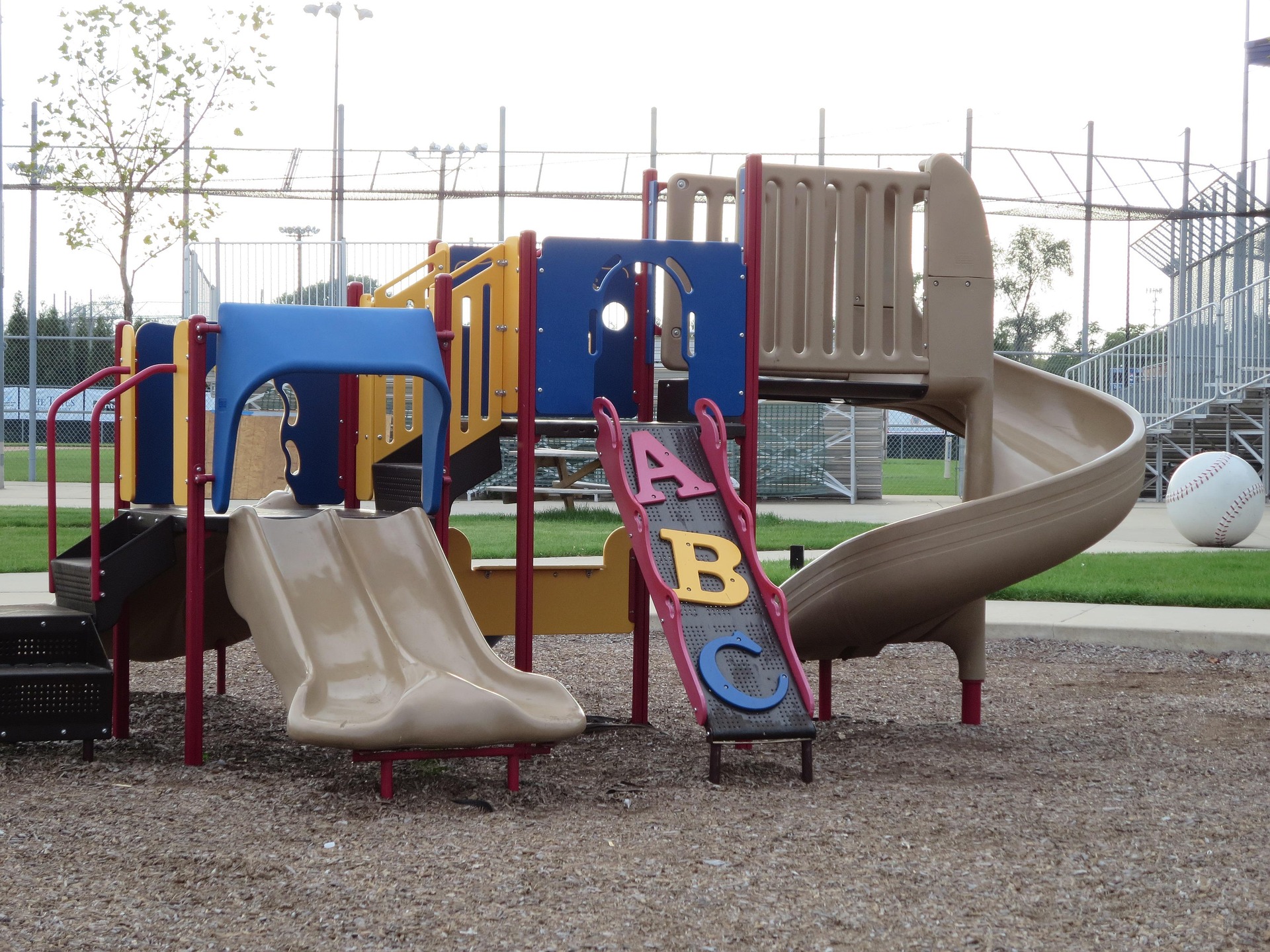
I wrote a post about my experience with searching for a daycare and choosing a daycare is one of the most emotionally loaded decisions a parent can make. You’re not just picking a place for your child to spend a few hours a day—you’re trusting strangers with your child’s safety, emotional well-being, development, and daily routine. For many parents, especially first-timers, the process can feel overwhelming. You tour facilities, read online reviews, ask other parents for recommendations, and try to balance convenience, cost, and gut instinct.
While many daycares genuinely care about children and do an amazing job, not all of them are created equal. Some places look great on the surface but reveal concerning issues once you look a little closer. Knowing the red flags to watch for can save you from stress, regret, and, most importantly, protect your child.
Below are some of the most important red flags to look out for when choosing a daycare.
Online reviews aren’t perfect, but they exist for a reason. When a daycare has a few negative reviews mixed in with positive ones, that’s normal—no business can make everyone happy. However, when you see a pattern of bad reviews across Yelp, Google, Facebook, or local parenting forums, that should immediately raise concern.
Pay attention to:
If several parents are saying similar things, it’s unlikely to be coincidence. One angry review might reflect a personal conflict, but ten reviews describing the same issues often point to systemic problems.
Also, be cautious if a daycare responds defensively or aggressively to negative reviews instead of addressing concerns professionally. A respectful, transparent response shows accountability. Dismissive or hostile replies suggest poor management and an unwillingness to improve.
Another major red flag is a daycare that pressures you to enroll immediately. Statements like:
While high-quality daycares do fill up quickly, a pushy attitude can be a sign that they care more about filling spots than building trust with families. A good daycare understands that parents need time to think, discuss with their partner, and sometimes tour multiple facilities.
Pressure tactics can also be used to prevent parents from noticing red flags or asking deeper questions. If you feel rushed, uncomfortable, or guilt-tripped during the decision process, trust that feeling. A daycare should make you feel supported, not cornered.
Transparency is critical when it comes to childcare. A daycare should be open about:
If staff are vague, evasive, or reluctant to answer questions, that’s a serious concern. Phrases like “don’t worry about it” or “we handle things internally” should never be used when discussing your child’s care.
You should feel comfortable asking anything—from how naps are handled to how conflicts between children are resolved. A trustworthy daycare welcomes questions because they know informed parents are engaged parents.
Even the most caring teacher can’t effectively supervise too many children at once. Overcrowded classrooms increase the risk of accidents, neglect, and emotional stress for kids.
Red flags include:
Ask about staff-to-child ratios and compare them to state regulations. If a daycare barely meets the minimum or frequently exceeds it, that’s not ideal. Quality care often means smaller groups and more individual attention.
Children thrive on consistency. When caregivers are constantly coming and going, it disrupts routine and emotional bonding. High staff turnover can also signal deeper issues like poor management, low pay, burnout, or a toxic work environment.
Ask:
If the answers are unclear or concerning, that’s worth reconsidering.
You don’t need a spotless, sterile environment—kids are messy by nature. But there’s a difference between normal mess and neglect.
Watch out for:
Safety hazards should never be brushed off. A daycare should prioritize cleanliness and child-proofing at all times.
When you tour a daycare, observe the children—not just the staff. Are the kids:
Occasional crying is normal, but widespread distress or chaos isn’t. Children often communicate how they feel through behavior, and their mood can be very telling.
Good communication builds trust. A daycare should provide:
If you’re told you’ll “only be contacted if there’s a problem,” that’s not ideal. Parents deserve insight into their child’s day, not just emergency calls.
Clear policies protect both parents and daycare providers. Be wary if policies around discipline, sick days, pick-ups, or fees are unclear or constantly changing.
Red flags include:
Everything should be documented and explained before enrollment.
Finally, never underestimate your intuition. Even if a daycare looks good on paper, something may feel “off.” Maybe staff interactions feel cold. Maybe the environment feels tense. Maybe your questions are met with annoyance.
Parents often talk themselves out of gut feelings because they don’t want to seem picky or overprotective. But when it comes to your child, it’s okay to be cautious. If something doesn’t feel right, it probably isn’t.
Choosing a daycare is not about finding perfection—it’s about finding a safe, nurturing environment where your child can grow and feel secure. Bad Yelp reviews, a pushy enrollment attitude, lack of transparency, and other red flags are signals worth paying attention to, not ignoring.
Take your time. Ask questions. Tour multiple facilities. Talk to other parents. And most importantly, trust yourself. A good daycare will respect your concerns, value your child, and earn your trust—not pressure you into it.
Your child deserves care that feels right, not just convenient.