Physical Address
304 North Cardinal St.
Dorchester Center, MA 02124
Physical Address
304 North Cardinal St.
Dorchester Center, MA 02124

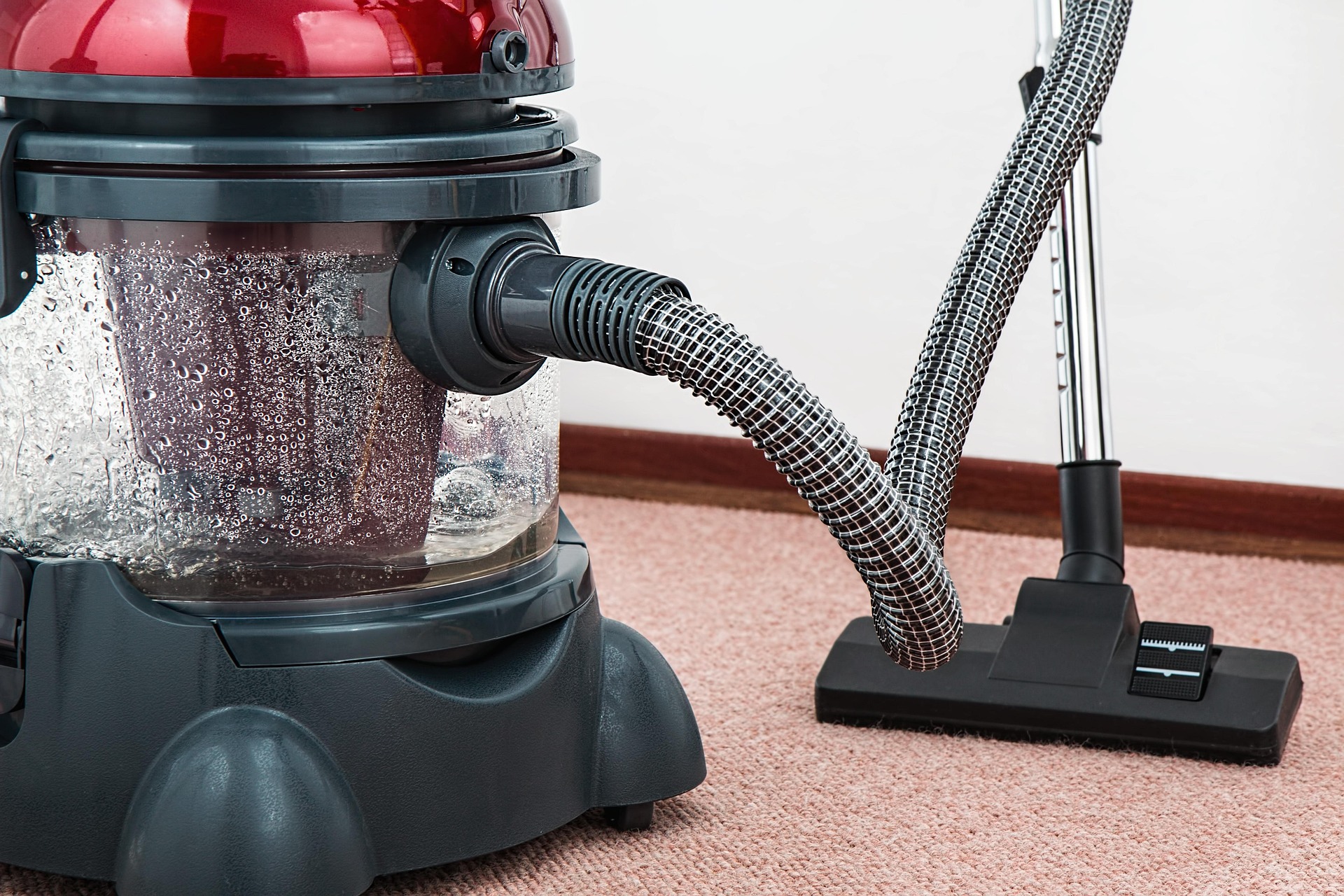
When I decided to purchase a Dyson stick vacuum, it felt like a no-brainer. Practically everyone in my family owned one. My siblings praised the suction power, my cousins loved how lightweight and portable it was, and even my parents — who rarely rave about electronics — swore it made cleaning feel effortless. For years, I’d been using their vacuums whenever I visited, and every time I picked one up, I thought to myself, “This is exactly what I need once I move into my new place.”
It wasn’t just the performance, either. The cordless freedom made cleaning feel less like a chore and more like a quick task I could get out of the way in minutes. I’d grab it, run a few passes over the floors, and feel oddly satisfied with how much dirt it managed to pick up. So when I finally bought my own Dyson stick vacuum, I assumed I was getting the same experience everyone else had — powerful, convenient, and reliable.
Unfortunately, that couldn’t have been further from what actually happened.
The vacuum worked fine during the first couple uses, or so I thought. But when it came time to remove the brush from the head — something that’s supposed to be simple and straightforward — it wouldn’t budge. Normally, you just pull the brush right out so you can clean it or clear out tangled hair. Every family member I asked said the same thing: “It should come out easily.”
But mine didn’t. At all.
Assuming I was missing something obvious, I turned to YouTube. There are a million Dyson cleaning and troubleshooting videos out there, so I figured someone somewhere had run into the same issue. I watched clip after clip of people effortlessly removing their brush heads, turning the piece in a certain direction, and sliding out a cylinder. None of that worked on mine. Zero movement. No click. No release. Nothing even close.
After trying every method I could find, I began to realize something I really didn’t want to admit: the part was defective from the start.
Since it was clearly not a user-error situation, I reached out to Dyson’s customer support, hoping for a simple solution. Honestly, I expected something along the lines of: “That part shouldn’t be stuck — we’ll send you a replacement.” Dyson is a premium brand, after all. Their products cost significantly more than many competitors, and you would think that higher price includes a better customer service experience.
But instead of help, the very first support agent decided to blame me for the issue.
They insisted that I must have broken the brush head myself — despite the fact that I had only used it three times. Not three months. Not three weeks. Three uses. The tone of the conversation shifted instantly the moment they implied I had mishandled it. It was as if they had already decided that any defect was automatically the customer’s fault.
I explained repeatedly that I wasn’t trying to fix damage; I was reporting a defect. But the agent didn’t budge. Instead, they told me I would need to pay for a replacement part.
Imagine buying a high-end product, taking good care of it, using it gently, and then being told that you somehow “broke” a part that you couldn’t even physically access because it wouldn’t come out in the first place.
After going in circles, the agent finally said they could make a “one-time exception” to send a replacement part — but not without reminding me that they were doing me a favor.
That phrasing irritated me even more. It felt like they were framing it as if they were being generous, even though the product was defective from day one. Accepting this “exception” would have felt like agreeing that I had done something wrong when I hadn’t.
Plus, the attitude behind it was condescending. It was like they were saying, “We normally wouldn’t help people who break their own vacuum parts, but we’ll be nice this time.” But I knew the truth: I didn’t break anything. I had simply received a defective unit.
To make things even worse, the agent then told me that I “should have cleaned the brush after every use.”
Now, let’s pause here.
Who in the world cleans their vacuum brush after every single use? That’s like buying a dishwasher and being told you need to hand-wash the dishes before putting them in. The entire point of a vacuum is convenience — fast, simple cleaning. And more importantly, how exactly was I supposed to clean the brush when I couldn’t even remove it because it was defective?
The suggestion felt absurd and totally disconnected from reality. It seemed like Dyson support was just throwing blame at the wall, hoping something would stick so they wouldn’t have to admit fault.
After that first frustrating interaction, I contacted support again, hoping for a different outcome. Instead, I kept getting agents who simply sent me the same troubleshooting videos over and over.
Every email felt like déjà vu:
– “Try this technique.”
– “Watch this video.”
– “Follow these steps.”
I kept replying, explaining that the part was defective and I had already followed every tutorial the internet had to offer. But no matter how many times I said it, they kept pushing the same scripted responses. It felt robotic, dismissive, and honestly like they were stalling on purpose.
At a certain point, I began to wonder if their strategy was to wear customers down until they eventually gave up and paid for a replacement part themselves. It certainly felt that way.
After multiple emails, repeated explanations, and no progress, I finally decided to try calling their customer support number. And surprisingly, the experience was completely different.
No accusations.
No videos.
No blaming.
No weird cleaning-after-every-use comments.
Within 15 minutes, the phone support agent confirmed the part was indeed defective and approved a replacement. It was so quick and so straightforward that I was left wondering why the email team had made the process feel like a battle.
Technically, I did get the replacement part in the end. The vacuum works now, and I can remove the brush just like I should’ve been able to from the beginning. But that doesn’t erase the experience I had getting there.
Customer service matters, especially when you’re paying premium prices for a premium brand. When you spend that kind of money, you expect not only a great product but also support that treats you respectfully when something does go wrong.
Instead, my experience with Dyson felt dismissive and accusatory. I felt like I had to fight just to get something I should have received without question — a properly functioning product.
After everything I went through, I can confidently say that I would not recommend buying a Dyson product. Not because the vacuum itself doesn’t work — once fixed, it does. But because the customer service experience was genuinely terrible.
A company’s reputation isn’t just built on what they sell. It’s built on how they treat customers when something goes wrong. And in my case, Dyson failed badly.
Instead of listening to my concerns, multiple agents tried to blame me. Instead of acknowledging a defect, they pushed troubleshooting loops. Instead of honoring their own product quality, they implied user error.
For a company that charges hundreds of dollars for their devices, that approach is unacceptable.
Buying a Dyson was supposed to make my life easier. Instead, the process of dealing with their customer support turned into a stressful, drawn-out ordeal that left me frustrated and disappointed.
If someone asked me today whether they should buy a Dyson stick vacuum, my answer would be simple: No — not unless you’re prepared to argue with customer support if something goes wrong.
There are plenty of other brands out there that offer good suction, lightweight designs, and reliable performance without making their customers jump through hoops if a defect shows up.
At the end of the day, a product is only as good as the company that stands behind it. And based on my experience, Dyson didn’t stand behind me at all.