Physical Address
304 North Cardinal St.
Dorchester Center, MA 02124
Physical Address
304 North Cardinal St.
Dorchester Center, MA 02124
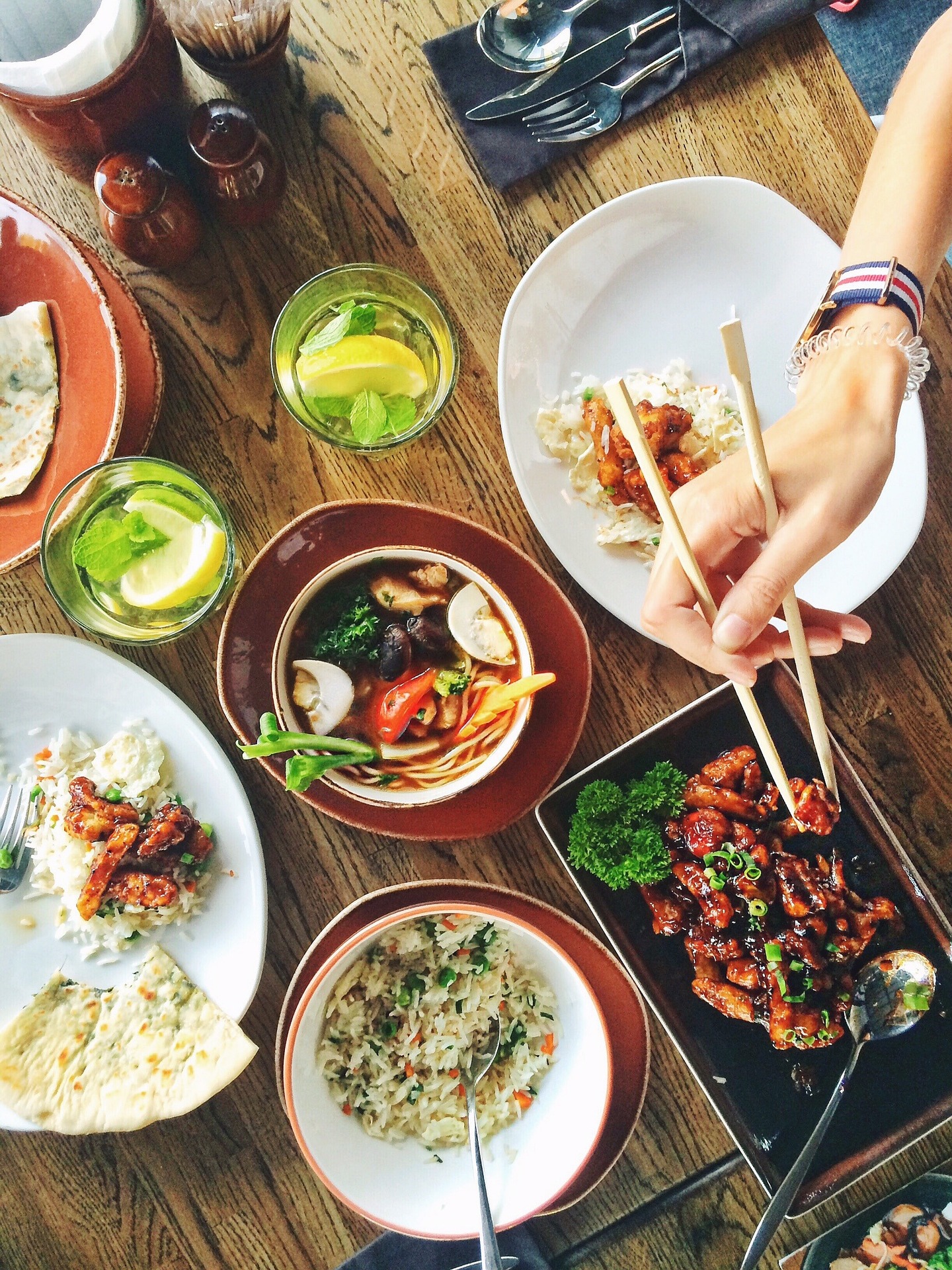
There’s something special about going out to eat with family. The buzz of the restaurant, the smell of sizzling dishes, and the shared laughter over a meal create memories that linger. Recently, on what started as a perfectly normal family dinner outing, I encountered something that made me stop and think about tipping culture, restaurant billing practices, and whether automatic service charges are subtly nudging customers to tip more — or perhaps even twice.
It was a regular evening. My family and I decided to treat ourselves to dinner at a local restaurant. We didn’t have any grand plans, just the simple joy of sharing a meal away from the kitchen. The food was delicious, the service attentive, and the conversation light and joyful. At the end of the meal, I reached for the bill, ready to settle up and leave a tip for our server.
As usual, I scanned the bill, noted the total, and added a tip amount I thought fair — nothing too extravagant, just the customary 15-20%. Feeling content, I began to gather my things. But then, out of habit or curiosity, I glanced at the bill again — and that’s when I noticed something strange: there was already a service charge included.
The bill clearly showed a line item labeled “service charge,” listed as a percentage of the total. At first, I assumed it was just a cover charge or an optional fee. But a quick glance at the fine print revealed it was an automatic tip applied because our group had five or more people. This practice is common in many restaurants — when a party reaches a certain size, the establishment adds a gratuity automatically to ensure the servers are compensated adequately.
Here’s the catch: because I had already added a tip manually, I was now about to tip twice. It was an honest mistake that nearly led to me paying significantly more in tips than I intended. I quickly recalculated the bill, subtracted the amount I added manually, and realized I had been about to overtip because I didn’t notice the automatic service charge.
Automatic service charges — sometimes called gratuity or automatic tips — are fees that restaurants add to bills for large parties or in specific situations. The main rationale behind these charges is to guarantee servers receive fair compensation, especially for groups that require more attention and effort.
While a typical tip is voluntary and left to the customer’s discretion, automatic service charges are built into the bill and mandatory once the customer agrees to pay. They vary widely in amount but often hover between 15% and 20%.
This practice has become increasingly common, especially in busy restaurants, tourist areas, or upscale establishments where tipping expectations are higher.
This is where things get tricky. Automatic service charges aren’t inherently bad. They can:
However, the downside is that many customers don’t realize there’s already a tip included. They see the bill, add their usual tip amount out of habit, and end up tipping more than necessary — effectively doubling their gratuity. This can lead to frustration and confusion, which is exactly what happened to me.
In some ways, automatic service charges can act as a subtle way to increase tips. Since the amount is baked into the bill, many customers might not question it, especially if it’s not clearly explained or highlighted. The restaurant benefits because servers earn their tip automatically, and customers may unknowingly tip even more if they add an extra gratuity on top.
The problem isn’t automatic service charges themselves but how they’re communicated to diners. Restaurants that clearly disclose automatic service charges upfront, either on the menu or when seating large parties, are more likely to avoid confusion and build trust with customers.
On the other hand, if the charge appears only on the bill without prior notice, diners can feel tricked or frustrated. Transparency ensures diners understand what they’re paying for and prevents situations like mine — where I nearly tipped twice.
Tipping culture in the U.S. and many other countries is complex. It’s often seen as a reward for good service, but over time it has become almost mandatory to supplement servers’ wages.
Automatic service charges remove some of the ambiguity about tipping, but they also complicate the psychology of generosity:
This blend of emotions and expectations can make dining out a confusing experience around tipping, especially if the bill isn’t crystal clear.
After noticing the automatic service charge on the bill, I paused and recalculated everything. I politely asked the server to confirm that the service charge was indeed an automatic tip for our group size. The server nodded, explaining it was standard practice for parties of five or more.
I apologized for the confusion and adjusted the tip I had originally added. The server was understanding and appreciated that I clarified before overpaying.
This experience made me think deeply about how restaurants manage tipping and how diners can avoid surprises at the end of their meal.
If you want to avoid accidentally tipping twice or feeling confused by your bill, here are some practical tips:
There’s no one-size-fits-all answer. For many restaurants, especially those handling large groups regularly, automatic service charges make logistical sense and ensure fair pay for servers.
However, for diners, it’s important that these charges are clearly communicated to avoid misunderstandings. Restaurants should:
When done right, automatic service charges can improve the dining experience by reducing guesswork and ensuring servers are fairly compensated — without leaving customers feeling they’ve been double-charged.
My family dinner out started as an ordinary night and ended with a valuable lesson about tipping and service charges. Automatic service charges aren’t inherently bad, but if customers don’t notice them, they risk tipping twice by accident.
As diners, staying vigilant and informed helps avoid these surprises. And as restaurants, being transparent and upfront about such charges builds trust and improves the overall experience for everyone.
So next time you’re out dining, take a moment to check your bill carefully. A little awareness can save you money and prevent that awkward “wait, I already tipped?” moment — just like I almost did.