Physical Address
304 North Cardinal St.
Dorchester Center, MA 02124
Physical Address
304 North Cardinal St.
Dorchester Center, MA 02124

Sometimes, the biggest obstacle standing between us and accomplishing something isn’t a lack of knowledge, money, or resources. It’s simply ourselves. We find reasons to delay things, convince ourselves that the timing isn’t right, or tell ourselves that we’ll get around to it eventually. Before we know it, weeks or even months have passed, and we still haven’t taken that first step.
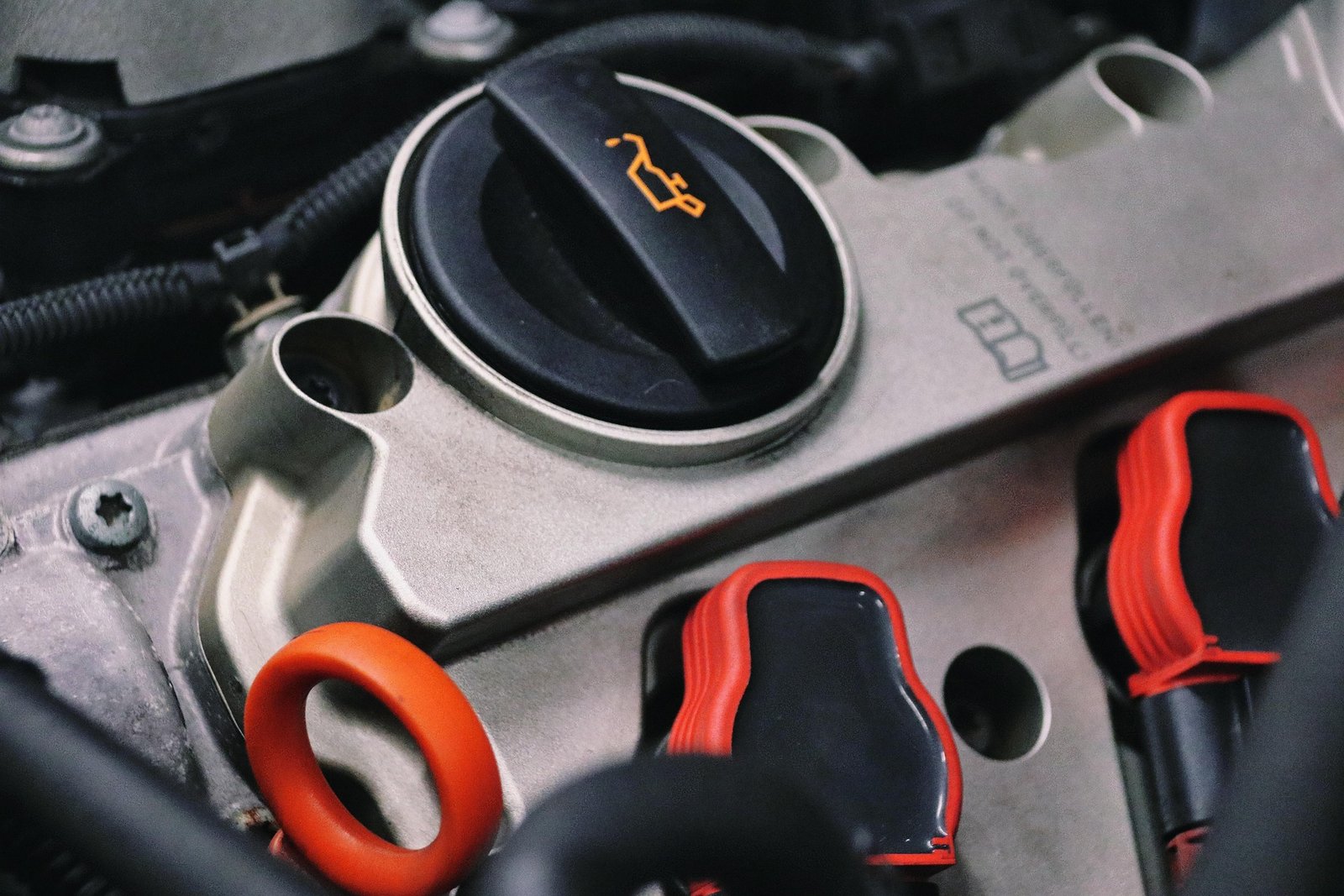
I recently experienced this firsthand when I finally decided to change the oil in my car after putting it off for several weeks. Something as simple as an oil change turned into a perfect example of how people, including myself, sometimes create unnecessary excuses to avoid doing something that needs to get done.
Interestingly enough, it also reminded me of something much bigger: investing for our financial future.
Whether it’s maintaining our vehicles, learning a new skill, or preparing for retirement, the same principle applies. We have to stop making excuses, start somewhere, and be willing to learn along the way.
I still remember the first time I decided to change the oil in my car back in 2016. At the time, I had absolutely no experience doing it myself. I knew the general idea behind an oil change, but actually getting underneath a vehicle, removing the drain plug, replacing the oil filter, and putting everything back together was a completely different story.
To be honest, I was pretty nervous.
I wasn’t entirely sure what I was doing, and the last thing I wanted was to make a mistake that could potentially damage my engine. After all, an oil change might seem like a relatively straightforward maintenance task, but there are several things you need to get right.
I started doing extensive research specifically for my vehicle. I watched numerous YouTube videos, read online instructions, and familiarized myself with the tools and equipment I would need.
I wanted to understand every step before attempting the job myself.
Eventually, I purchased the necessary equipment, including a floor jack, jack stands, an oil drain pan, a socket wrench, an oil filter wrench, and whatever other supplies were required for my particular vehicle.
Once I had everything ready, it was time to put my research into practice.
Was I still nervous? Absolutely. However, I followed the instructions carefully and took my time. I double-checked everything because I didn’t want to overlook something important.
When I finally completed the oil change, I realized that it wasn’t nearly as intimidating as I had imagined.
In fact, I felt pretty accomplished knowing that I had just performed basic maintenance on my own vehicle without paying someone else to do it.
More importantly, I learned something valuable: Sometimes, the hardest part of doing something new is simply getting started.
Fast forward to recently, and I found myself in a completely different situation.
Normally, I would perform my oil changes inside my garage. Having a garage provides a convenient place to work, especially when you’re dealing with tools, equipment, and potentially messy automotive fluids.
However, my living situation had changed.
My wife and I had recently sold our previous home and purchased a new one. Since our new home required renovations before we could move in, we were temporarily staying at my parents’ place.
Unfortunately, their garage wasn’t exactly available for automotive projects.
Most of the garage was being used for storage, which meant there was very limited room to work. I couldn’t simply pull my vehicle into the garage and comfortably perform the oil change like I normally would.
You might be wondering why I didn’t just use the garage at our newly purchased home.
Well, that’s because the house was still undergoing renovations!
Between the kitchen renovation and other projects throughout the home, the garage wasn’t in a condition where I could comfortably work on my vehicle.
So, week after week, I kept postponing the oil change.
I would tell myself things like:
There was always something.
Every time I thought about getting the oil change done, I could come up with another reason to delay it.
Eventually, I realized that I was making things more complicated than they needed to be.
The truth was that I didn’t need a perfect working environment. I just needed enough space to safely get the job done.
Last weekend, I finally decided that enough was enough.
I gathered my equipment, prepared the necessary supplies, and figured out how to make the limited garage space work.
Instead of having my vehicle completely inside the garage, I parked it halfway into the garage.
It wasn’t the ideal setup I was accustomed to, but it provided enough room for me to complete the oil change safely.
I took my time, followed the same procedures I had learned years earlier, and completed the maintenance.
And just like that, the oil change was done.
Afterward, I couldn’t help but laugh at myself.
I had spent weeks coming up with excuses when I could have completed the task much earlier.
Was the situation inconvenient? Yes.
Was the garage space limited? Absolutely.
But did those circumstances make the oil change impossible? Not at all.
I had allowed minor inconveniences to become major reasons for procrastination.
Looking back, I probably spent more time thinking about when I would change the oil than actually performing the oil change itself.
That’s when it hit me: This behavior is surprisingly similar to how people approach investing.
Think about how many people talk about wanting to become financially independent or retire comfortably someday.
Most people understand that saving and investing money are important. They know that retirement isn’t something they should wait until their 50s or 60s to start thinking about.
Yet, many people continue to postpone investing.
Why?
Because they always seem to have a reason.
Some common excuses include:
1. I Don’t Have Enough Money
This is probably one of the most common reasons people give for not investing.
They believe they need thousands of dollars before they can start investing. They might assume that investing is something reserved for wealthy individuals who already have substantial savings.
But that’s not necessarily true.
Depending on the investment platform and account, you may be able to start with relatively small amounts of money.
Even investing $25, $50, or $100 consistently can help establish a good financial habit.
Of course, everyone’s financial situation is different. If you have high-interest debt or haven’t established an emergency fund, those priorities may need attention first.
However, the important thing is to stop assuming that you need to have a large amount of money before you can begin.
Start with an amount that makes sense for your budget and gradually increase it as your financial situation improves.
2. I Don’t Know How To Invest
Another common excuse is not knowing where to begin.
I completely understand this one because investing can seem overwhelming, especially when you’re first introduced to it.
There are individual stocks, index funds, mutual funds, ETFs, bonds, retirement accounts, and countless other investment options.
Where do you even start?
The reality is that nobody automatically knows how to invest.
Just like I didn’t know how to perform an oil change back in 2016, you have to invest time into learning.
Read books, watch educational videos, research retirement accounts, and understand the differences between various investment options.
You don’t need to become a professional financial advisor overnight.
Start with the basics. Learn about compound interest, diversification, risk tolerance, and the importance of investing consistently.
The more you educate yourself, the more comfortable you will become with making informed financial decisions.
3. I Don’t Have Time
Another excuse people frequently use is that they are too busy.
Between working full-time, raising a family, maintaining a household, and handling everyday responsibilities, finding time to learn about investing can seem difficult.
But here’s the thing: You don’t necessarily need to spend hours every day managing your investments.
In fact, many long-term investors prefer a relatively simple approach.
For example, someone contributing regularly to a diversified retirement fund through a 401(k) or IRA may not need to constantly monitor the stock market.
Once you understand your investment strategy, you can establish a consistent contribution schedule and periodically review your portfolio.
You don’t need to become a day trader or spend every evening researching individual stocks.
Sometimes, keeping things simple is the best approach.
4. I’ll Start When The Timing Is Better
This is probably the excuse that reminds me most of my recent oil change experience.
I kept waiting for better weather, more garage space, and a more convenient weekend.
Similarly, people sometimes wait for the perfect time to start investing.
They might say they’ll start after receiving a raise, paying off a particular bill, purchasing a home, or getting through a busy period at work.
While certain financial milestones can make investing easier, there will almost always be something competing for your money and attention.
If you continuously wait for the perfect circumstances, you might never get started.
The stock market will have good years and bad years. Your income may increase or decrease. Unexpected expenses will eventually come up.
You cannot control every circumstance, but you can control how you prepare for your financial future.
The important thing is to develop a reasonable plan and take action when you are financially ready.
One of the biggest lessons I learned from changing my own oil is that you don’t have to know everything before attempting something new.
Back in 2016, I wasn’t an automotive mechanic. I didn’t have years of experience working on vehicles. I simply had an interest in learning how to perform my own oil changes.
I invested my time into researching the process, purchased the necessary equipment, watched instructional videos, and eventually put everything into practice.
Did I know everything? No.
Was I completely confident the first time? Definitely not.
But I learned through experience.
The same philosophy applies to investing.
You don’t have to understand every investment strategy, financial product, or economic concept before opening a retirement account.
You can start by learning about your employer’s 401(k) plan, understanding whether your employer offers matching contributions, and researching diversified investment options that align with your goals.
You can also consider speaking with a qualified financial professional if you need help developing a strategy.
The important thing is to make an effort to educate yourself instead of using your lack of knowledge as a permanent excuse.
Remember, being inexperienced doesn’t mean you are incapable of learning.
Another important lesson I took away from performing my own oil changes is that mistakes are opportunities to learn.
Whenever you’re doing something for the first time, there is always a possibility that something won’t go according to plan.
Maybe you purchase the wrong oil filter, use the wrong amount of oil, or forget to properly tighten something.
Obviously, when working on a vehicle, safety and following the manufacturer’s specifications are extremely important. You should never rush through a maintenance procedure or ignore something you aren’t sure about.
But if you make a mistake, take the time to understand what went wrong and correct it.
Don’t simply give up because something didn’t work out perfectly.
Investing is no different.
You might make an investment decision that doesn’t perform as expected. Perhaps you choose an investment that carries more risk than you initially realized, or you discover that your original strategy doesn’t align with your financial goals.
Rather than abandoning investing altogether, take the opportunity to learn.
Understand what happened, reassess your approach, and make adjustments when necessary.
Of course, investing involves risk, and there are no guarantees that you will make money. That’s why education, diversification, and understanding your personal risk tolerance are so important.
The goal isn’t to avoid every possible mistake. It’s to make informed decisions and learn from your experiences.
When I finally completed my oil change last weekend, I felt relieved knowing that I had taken care of something I had been putting off for weeks.
It wasn’t a major accomplishment in the grand scheme of things, but it reminded me how important it is to stop procrastinating.
The same applies to building wealth.
You don’t necessarily need to make a huge financial commitment today. You don’t need to invest thousands of dollars immediately or completely understand the stock market.
What matters is developing good financial habits and remaining consistent.
For example, contributing $100 every month toward a long-term investment may not seem like much initially. However, over many years, those contributions can accumulate, and potential investment growth can help increase the overall value of your portfolio.
That’s the power of consistency and compound growth.
The earlier you begin, the more time your investments potentially have to grow.
Of course, investment returns are never guaranteed, but time can be a valuable advantage when planning for retirement.
Think about it this way: If you spend several years telling yourself that you’ll eventually start investing, that’s several years of potential contributions and investment growth you cannot get back.
You can’t rewind the clock, but you can make a different decision starting today.
Looking back at my experience, I find it interesting how something as simple as an oil change can teach such an important life lesson.
When I first changed my oil in 2016, I was nervous because I didn’t know what I was doing. But instead of letting that fear stop me, I invested time into learning the process and eventually developed the confidence to do it myself.
Years later, I found myself making excuses because my usual working environment wasn’t available.
I kept telling myself that I would do it when the weather improved or when I had more garage space. Eventually, I realized that I was simply delaying something that needed to get done.
I adjusted to my circumstances, worked with the limited space available, and got the job done.
That’s exactly how I think people should approach their financial future.
Stop telling yourself that you don’t have enough money, don’t know enough about investing, or don’t have enough time.
Instead, take the time to learn, establish realistic goals, and start with what you can reasonably afford.
You don’t have to be perfect. You don’t have to know everything. And you certainly don’t need to wait until every circumstance in your life is ideal.
Whether it’s learning how to change your own oil, developing a new skill, or preparing for retirement, the hardest part is often taking that first step.
Stop making excuses. Start taking action. Your future self will thank you for it.