Physical Address
304 North Cardinal St.
Dorchester Center, MA 02124
Physical Address
304 North Cardinal St.
Dorchester Center, MA 02124

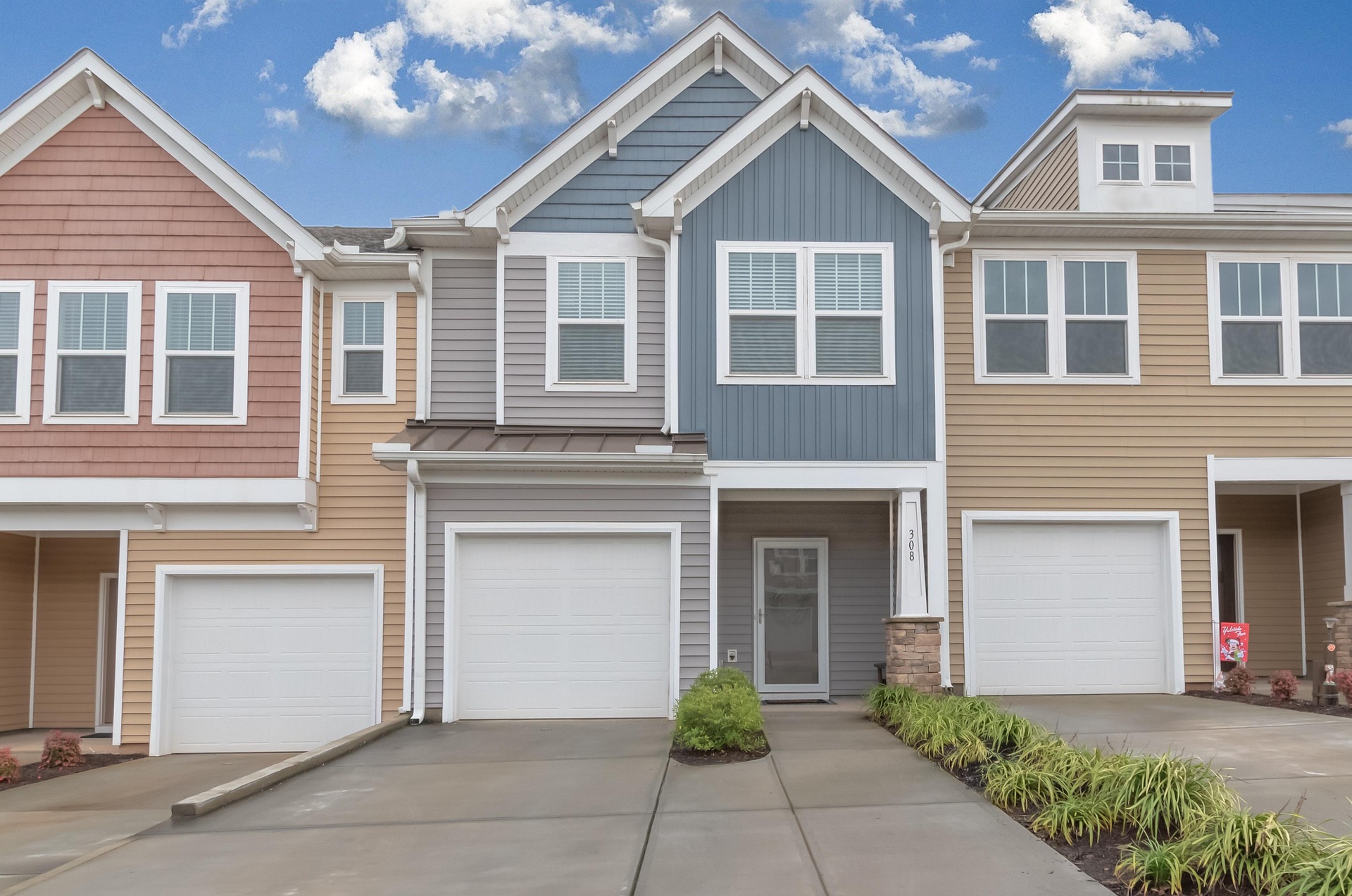
Buying a home has never been a simple process. Between searching through listings, comparing neighborhoods, calculating budgets, and trying to picture your future in a space, there are already enough decisions to make. The last thing most buyers expect is to encounter unexpected paperwork just to walk through the front door.
My wife and I recently experienced exactly that, and while everything ultimately worked out, the situation left us asking an important question: Are these new agreements building trust between buyers and agents, or are they creating unnecessary barriers?
Our experience isn’t meant to criticize any one brokerage or agent. Instead, it’s a cautionary story for anyone who may be house hunting in today’s market. If there’s one lesson we learned, it’s that understanding what you’re signing—and working with someone you genuinely trust—is just as important as finding the right home.
Earlier this year, after successfully selling our condominium in June, we officially began the search for our next home. Like many buyers, we spent countless evenings browsing listings online and weekends driving through neighborhoods to attend open houses.
Open houses are a fantastic way to get a feel for a property without making any commitments. You can walk through at your own pace, compare homes, and decide whether something is worth pursuing further. We attended several open houses and appreciated the opportunity to explore different options.
The Redfin App
However, not every home offered an open house. There were several listings we wanted to see that only allowed private showings. Normally, that wouldn’t have been an issue because we already had an agent who had represented us during the sale of our condominium. Unfortunately, our agent happened to be out of town for about a week.
Rather than letting promising homes slip by, we decided to use the Redfin app to schedule a private tour.
We had done something similar in the past. Previous experiences were straightforward. We would request a showing, meet an agent at the property, tour the home, thank them for their time, and move on if the house wasn’t a good fit. There never seemed to be any obligation beyond the showing itself.
Because of those past experiences, we assumed this time would be no different.
It wasn’t.
The Compass Agent Paperwork Trap
When we scheduled the tour, we were paired with an agent from Compass. We arrived at the property excited to finally see the home in person, but before we could even begin the tour, the agent explained that we would need to sign a 30-day buyer representation agreement.
The agreement essentially stated that if we became interested in purchasing that particular property, the Compass agent would represent us.
That immediately caught us off guard.
Naturally, we had questions.
Why was this required now when it hadn’t been before?
Was this a new policy?
Was it specific to this brokerage?
Could we simply view the home without signing anything?
The agent explained the requirement, and while they were professional throughout the interaction, it still felt like an unexpected hurdle. We hadn’t anticipated having to make any kind of formal commitment simply to tour a home.
At that point, we found ourselves in an awkward position.
We had already driven to the property.
We were genuinely interested in seeing the house.
Walking away without viewing it felt like wasting the opportunity.
So, after discussing it briefly, we signed the agreement and proceeded with the tour.
Ironically, once we finished walking through the home, we quickly realized it wasn’t the right fit for us. It simply didn’t meet our needs, so we moved on without giving it another thought.
The house itself wasn’t the memorable part of the experience.
The paperwork was.
For days afterward, my wife and I found ourselves discussing what had happened.
We weren’t upset about signing the agreement because, in the end, it had no impact on our home search. But it did raise several questions that I think many buyers would ask.
What was the intent here?
Was the agreement primarily intended to protect the agent from losing a commission?
Was it designed to comply with newer industry practices?
Or does requiring signatures before a relationship has even been established unintentionally create friction between buyers and agents?
Those are fair questions.
From an agent’s perspective, I can certainly understand wanting to protect the time and effort invested in working with clients. Showing homes takes time. Driving between properties takes time. Preparing offers, answering questions, coordinating schedules, and negotiating contracts all require considerable effort.
Agents deserve to be compensated for the work they do.
At the same time, buying a home is one of the largest financial decisions most people will ever make. Buyers naturally want to feel comfortable with the person representing them before committing to any formal relationship.
Trust doesn’t appear because someone signs a document.
Trust develops through communication, honesty, patience, and consistency.
That’s why this experience felt so unusual.
The agreement came before the relationship.
Instead of earning confidence first and discussing representation later, the process seemed reversed.
A Common Practice?
Perhaps that’s becoming more common in today’s real estate market. Industry practices have evolved over the past couple of years, particularly regarding buyer representation agreements. Even so, many buyers who haven’t purchased a home recently may find themselves surprised if they encounter the same situation we did.
Had we known beforehand that signing an agreement would be required, the conversation probably would have felt very different. We could have read through everything in advance, asked questions without feeling rushed, and made a more informed decision.
Instead, it felt like an unexpected condition attached to simply viewing a home.
Fortunately, our story has a happy ending.
After our original agent returned, we resumed our home search with them.
They had already helped us sell our condominium, and throughout that process they demonstrated exactly what we value in a real estate professional.
They never pressured us.
They answered our questions.
They respected our timeline.
Most importantly, they earned our trust long before asking us to sign anything.
By the time buyer representation became part of the conversation, it didn’t feel uncomfortable at all. It felt natural because a relationship had already been established.
That experience reminded me that trust isn’t created by contracts.
Contracts may define responsibilities, but trust is built through actions.
Looking back, I don’t fault the Compass agent personally. They were courteous and simply following the policies they were required to follow. My experience isn’t about pointing fingers or suggesting that one brokerage is better than another.
It’s about how buyers experience the process.
When someone is making one of the biggest purchases of their life, every interaction matters.
Unexpected paperwork can create uncertainty.
Unexpected pressure can create hesitation.
Unexpected obligations can make buyers question whether the relationship is beginning on the right foundation.
For anyone beginning their own home search, my advice is simple.
Ask questions.
Don’t hesitate to ask why an agreement is necessary.
Read every document before signing.
Understand exactly what you’re agreeing to and how long the agreement lasts.
And perhaps most importantly, find an agent who makes you feel comfortable throughout the process.
A home purchase is more than a transaction. It’s a partnership between buyer and agent.
The best partnerships are built on mutual respect and confidence, not assumptions.
Final Thoughts
In our case, we ultimately chose to continue working with the agent who had already earned our trust. They had proven they were patient, knowledgeable, and willing to let us make decisions at our own pace. That relationship felt right because it developed naturally rather than through obligation.
Our experience serves as a reminder that real estate isn’t only about contracts, commissions, or closing dates. It’s about people helping other people navigate one of life’s biggest milestones.
If you’re shopping for a home today, don’t be surprised if you encounter buyer representation agreements earlier than you expected. They’re becoming more common, and in many situations they’re perfectly legitimate. Just be sure you understand what you’re signing and feel comfortable with the person asking you to sign it.
At the end of the day, the right home is important.
But the right agent may be just as important.
After all, trust should never be an afterthought. It should be the foundation of every successful home-buying journey.