Physical Address
304 North Cardinal St.
Dorchester Center, MA 02124
Physical Address
304 North Cardinal St.
Dorchester Center, MA 02124

A while back, my wife and I finally reached a milestone that felt both exciting and a little surreal—we purchased our first home together. It wasn’t just about owning property or signing paperwork; it was about building a place that felt like ours. A place where memories could be created, traditions could take root, and life could slow down just enough to be appreciated.
One of the first things we looked forward to after settling in was celebrating the holidays the way we always imagined. Like many Americans, holidays weren’t just dates on a calendar for us. They were experiences. Halloween, Thanksgiving, Christmas—each one carried its own energy, rituals, and sense of togetherness. Decorating our home became a way to express that joy, to mark time, and to make the seasons feel alive.
Halloween was the first real test run. We went all out, at least by our standards. The front of our house transformed into something straight out of a spooky movie set—fake cobwebs stretched across railings, plastic skeletons posed in awkward positions, and eerie lights casting shadows that made trick-or-treaters hesitate just long enough to be scared. It wasn’t just about the decorations themselves; it was about the reactions. Kids laughing nervously, parents smiling, neighbors stopping by to chat. It felt like we were finally participating in something bigger than ourselves.
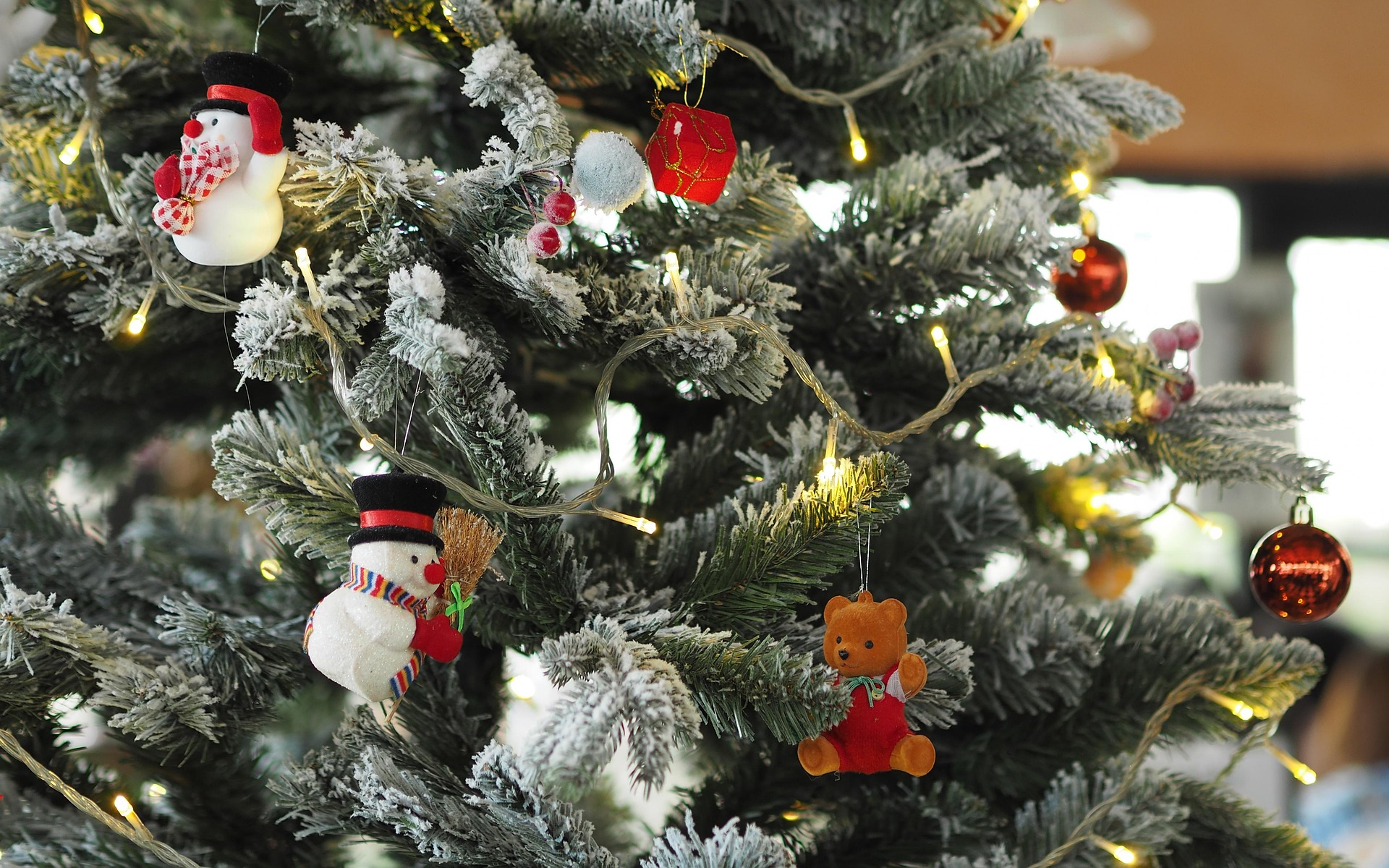
Then came Christmas, the holiday that really mattered to us. There’s something about Christmas that invites reflection, warmth, and connection. Setting up our Christmas tree became a ritual almost immediately. Boxes of ornaments came out, each one holding its own small story. Some were gifts, some were souvenirs from trips, and some were just random decorations we liked enough to buy. The tree filled our living room with light, color, and that unmistakable feeling that the year was coming to a close.
Beyond decorating, we also enjoyed inviting friends over during the holidays. There’s something special about sharing a meal in your own home, especially when it’s decorated and filled with music, laughter, and the smell of food cooking in the kitchen. It feels more personal than meeting at a restaurant. It feels intentional.
The first time we invited a particular group of friends over for a holiday gathering, everything seemed perfectly normal—good food, good conversation, and a relaxed atmosphere. At one point, though, one of our friends made a comment that stuck with me far longer than I expected. While looking at our Christmas tree, he casually remarked that plastic Christmas trees are bad for the environment.
At the time, I didn’t say much. I brushed it off as one of those comments people make without thinking too deeply. But internally, it bothered me. Not because I disagreed that plastic can be harmful to the environment, but because the comment felt oddly judgmental and incomplete.
The thing is, our Christmas tree isn’t something we replace every year. We bought it once, and we’ve been using it for over five years now. It’s still in great condition, and I fully intend to keep using it until it literally falls apart. To me, that feels more responsible than buying a real tree every year just to throw it out weeks later. But I kept that thought to myself.
Life went on, and eventually, I visited this friend’s home for the first time. What I saw there completely changed the way I viewed that earlier comment—and honestly, the way I viewed him as a person.
The moment I walked into his home, something caught my eye immediately. Stacked neatly near the entrance were five large cases of bottled water. Five. Not one or two, but enough to last a small household for a long time. At first, I didn’t think too much of it. Some people prefer bottled water for convenience or taste.
But as I spent more time in his home, more details started to stand out. In his kitchen were boxes of Styrofoam cups and plastic lids, the kind you’d expect to see in a break room or small café.
That’s when it really hit me.
Here was someone who felt comfortable criticizing my reusable plastic Christmas tree—something I’ve been using year after year—while simultaneously relying almost entirely on single-use plastic products. Bottled water that gets thrown away after one use. Styrofoam cups that aren’t recyclable. Plastic lids that serve no purpose beyond a few minutes of convenience.
The irony was impossible to ignore.
Styrofoam, in particular, is notorious for being environmentally unfriendly. It doesn’t biodegrade in any meaningful timeframe, it’s rarely recyclable, and it often ends up in landfills or waterways. Bottled water, too, contributes massively to plastic waste, especially when alternatives like reusable bottles and filtered tap water are readily available.
And yet, somehow, the plastic Christmas tree—the item reused year after year—was the environmental villain in his eyes.
That experience forced me to reflect not just on environmental responsibility, but on how easily people adopt selective outrage. It’s easy to point out a visible symbol, like a plastic tree, and label it as harmful. It’s much harder to examine daily habits, especially the ones that are convenient or comfortable.
Environmental responsibility isn’t about perfection. None of us live perfectly sustainable lives. We drive cars, buy packaged food, use electronics, and generate waste simply by existing in modern society. What matters more is consistency and intention.
Using a plastic Christmas tree for many years can actually be more environmentally responsible than buying a real tree annually, especially when you consider transportation, farming, water usage, and disposal. Similarly, choosing reusable cups, bottles, and containers can drastically reduce waste over time, even if they’re made of plastic.
What bothered me most wasn’t just the hypocrisy—it was the lack of self-awareness. It made me realize how often people focus on the actions of others rather than reflecting on their own habits. Calling someone out feels productive, but it doesn’t actually change anything if you’re not willing to examine your own behavior.
That moment changed my perception of him. I still see him as a friend, but with clearer eyes. It reminded me that opinions, especially strong ones, don’t always come from deep understanding. Sometimes they’re just surface-level judgments shaped by trends, headlines, or a desire to appear conscientious.
It also reinforced something important for me personally: I don’t need validation from others for the way I choose to live my life. My wife and I decorate our home because it brings us joy. We host friends because we value connection. We reuse what we can and try to be mindful, not because we want praise, but because it aligns with our values.
The holidays, at their core, are about togetherness, reflection, and gratitude. They’re about creating warmth in a world that often feels cold and divided. Decorations, whether plastic or not, are just symbols. What truly matters is how we treat each other and the choices we make consistently, not selectively.
Since then, every time I set up our Christmas tree, I think back to that comment—not with annoyance, but with perspective. It serves as a reminder to look inward before judging outward, to focus on meaningful actions rather than symbolic gestures, and to recognize that environmental responsibility, like most things in life, is more nuanced than it appears.
In the end, our home continues to be a place of celebration. The tree still stands proudly in the living room each December. Friends still come over for dinner, laughter still fills the space, and memories continue to be made. And that, more than any judgment or opinion, is what truly matters.