Physical Address
304 North Cardinal St.
Dorchester Center, MA 02124
Physical Address
304 North Cardinal St.
Dorchester Center, MA 02124

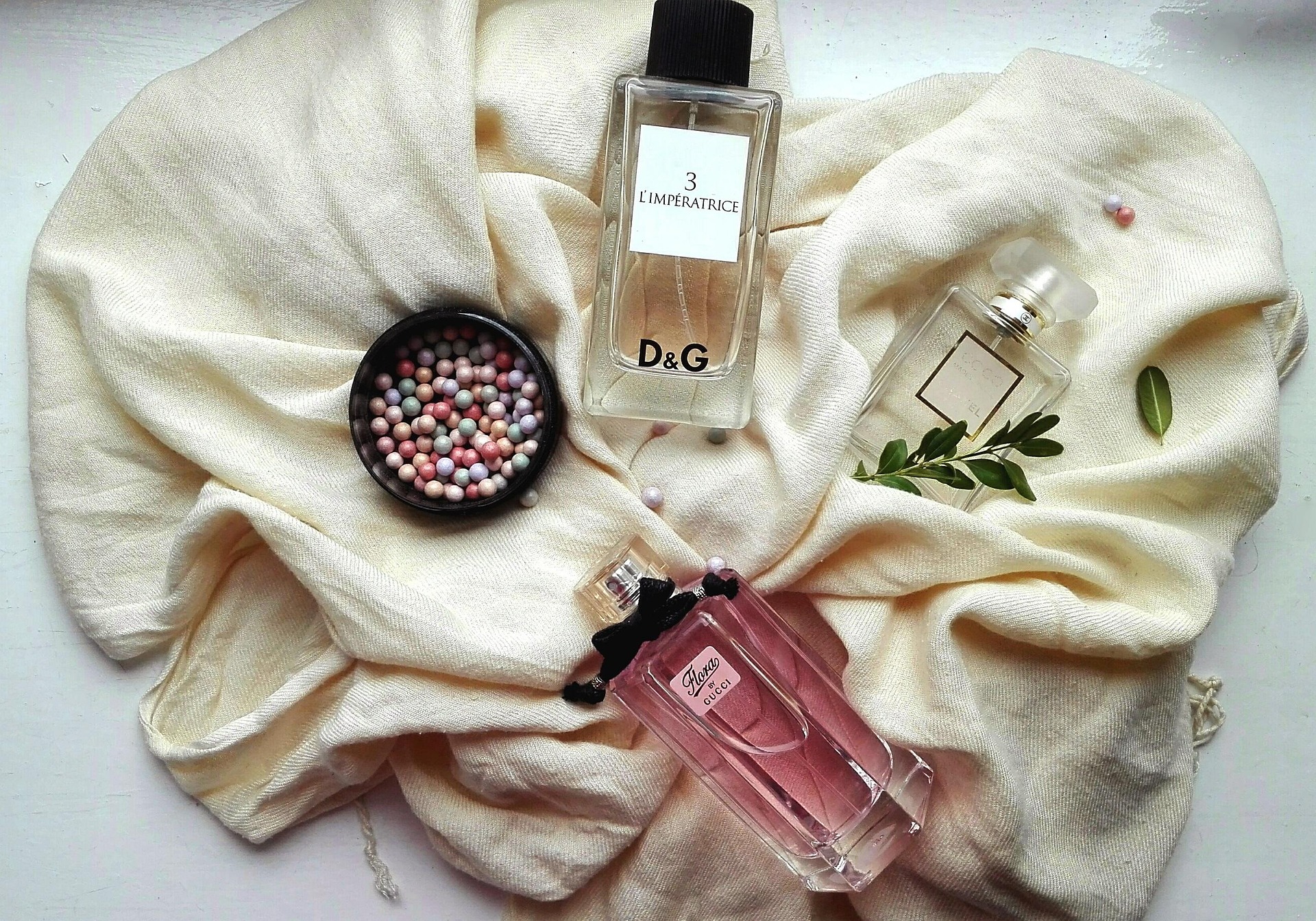
Walking through a mall is one of those experiences that feels mundane on the surface but somehow always manages to reveal something interesting about people. Recently, I found myself at the mall with my wife, doing what many couples do when a wedding invitation arrives in the mail: shopping for a gift. We have friends who are getting married soon, and my wife had the perfectly reasonable idea of getting them some nice cups. Not flashy, not complicated—just something useful that a newly married couple could actually enjoy in their day-to-day life.
That plan led us to Macy’s.
If you’ve ever been to a department store like Macy’s, you already know the layout is never as straightforward as you’d like it to be. Home accessories are never near the entrance. You don’t just walk in, grab your item, and leave. Instead, you’re guided—intentionally or not—through a maze of departments designed to expose you to as much merchandise as possible. To get to the cups, we had to pass through men’s clothing, kids’ clothing, and, of course, the perfume section.
It was in the men’s department, right by the perfume counters, that something caught my attention.
The area was crowded. And not just casually busy, but noticeably packed with men—men sniffing tester strips, spraying their wrists, waving their hands in the air to “let it settle,” and asking sales associates about specific brands. Some of them looked serious, almost anxious, as if they were on a mission. Others seemed confused, overwhelmed by the rows of glass bottles and the cloud of mixed scents floating in the air.
I knew men used perfume—well, cologne—but I didn’t expect this many of them to be there at the same time, apparently hunting for something very specific.
As my wife continued walking, focused on the mission of finding cups, my mind started wandering. I couldn’t help but wonder who all these guys were and why they were there. My first thought, which I’ll admit wasn’t exactly generous, was that many of them were probably single and hoping a particular scent might give them an edge. Maybe they were preparing for a night out, a date, or some social event where smelling good felt like an unspoken requirement.
I didn’t want to judge them solely for using perfume. That wouldn’t be fair. But the scene reminded me of something from my past—something that made the whole situation feel oddly familiar.
Years ago, my older brother suddenly started using Axe body spray. Out of nowhere. One day, he didn’t care at all about scented products, and the next, he was practically bathing in it. If you grew up in the era of Axe commercials, you know exactly what those ads were like. A guy sprays himself, and instantly women lose all control. They chase him down the street, throw themselves at him, and act as if the scent alone has overridden all logic and free will.
Those commercials weren’t subtle. They sold the idea that attraction could be purchased in a can. Spray this on, and women will want you. No personality development required. No emotional intelligence. No actual connection. Just scent.
Looking back, I sometimes wonder if my brother bought into that idea, at least a little. Maybe he believed that smelling a certain way would make him more appealing. Maybe he thought it was a shortcut, a simple fix to a much more complicated human experience.
Standing there in Macy’s, watching all these men crowd around the perfume counter, I saw echoes of that same belief. Not necessarily Axe specifically, but the broader idea that scent equals attraction.
Personally, I’ve never been into perfume or cologne. I know that might sound strange to some people, but to me it has always felt like a waste of money. You spray something on your body, it lasts a few hours at best, and then it’s gone—washed off in the shower at the end of the day. And for what? Some bottles cost hundreds of dollars. Spending that much money on something so temporary just never made sense to me.
If I’m being honest, I’ve always believed basic hygiene is enough. Shower regularly. Use soap. Put on deodorant. Wear clean clothes. That should cover the essentials. Anything beyond that feels optional, even excessive.
But as much as I wanted to dismiss the whole perfume craze as unnecessary, I had to admit something to myself: for a lot of people, it’s not just about trying to smell good for others.
For some men, perfume is part of a routine. It’s something they grew up with or learned over time. Maybe their father wore cologne every day. Maybe it was taught as a sign of professionalism or self-respect. In some cultures and households, scent is tied closely to cleanliness, presentation, and identity. It’s not about seduction—it’s about feeling put together.
There’s also the psychological aspect. Smell is powerful. It’s linked directly to memory and emotion in ways that sight and sound aren’t. A particular scent can remind someone of a specific person, a place, or a moment in time. For the person wearing it, perfume can be a form of comfort or confidence. It can make them feel more like themselves, or like the version of themselves they want to be that day.
Seen through that lens, the men crowding the perfume counter didn’t look so bizarre anymore. They were just engaging in a ritual that meant something to them, whether consciously or not.
Still, I couldn’t ignore how heavily this industry leans on marketing—especially marketing rooted in sex appeal.
Perfume companies know exactly what they’re doing. They don’t just sell scent; they sell fantasy. The ads are filled with attractive people in exotic locations, living glamorous lives. The message is rarely “this smells nice.” Instead, it’s “this is who you could be.” Confident. Desired. Powerful. Irresistible.
For men, the message often boils down to this: wear this, and you’ll be more of a man. Women will notice you. Other men will respect you. You’ll stand out in a crowded room.
It’s no coincidence that many men feel drawn to these products, especially in a society that constantly tells them they need to do more to prove themselves. Smelling good becomes another box to check, another way to compete, another signal to send out into the world.
From that perspective, the crowded perfume section at Macy’s makes perfect sense. Of course there’s a market for this stuff. A huge one. As long as insecurity exists—and it always will—there will be products designed to capitalize on it.
What struck me most, though, was the contrast between my wife and me in that moment. She was focused on buying cups for a couple starting their life together. Practical, thoughtful, grounded. Meanwhile, I was standing there observing a crowd of men chasing invisible promises bottled in glass.
It made me think about how differently people approach self-care, attraction, and identity. For some, a scent is just another tool. For others, it’s a statement. For me, it’s something I can easily live without. None of these approaches are inherently right or wrong—they’re just reflections of different values and experiences.
At the end of the day, perfume won’t make someone a better partner, a more interesting person, or a happier human being. It might boost confidence for a few hours, and maybe that confidence leads to a positive interaction. But no bottle, no matter how expensive or well-marketed, can replace genuine connection, kindness, or self-awareness.
As we walked out of Macy, I felt oddly grateful for the reminder. In a world constantly trying to sell us shortcuts to fulfillment, it’s worth pausing to ask what actually matters—and what we’re willing to buy into, both literally and figuratively.