Physical Address
304 North Cardinal St.
Dorchester Center, MA 02124
Physical Address
304 North Cardinal St.
Dorchester Center, MA 02124

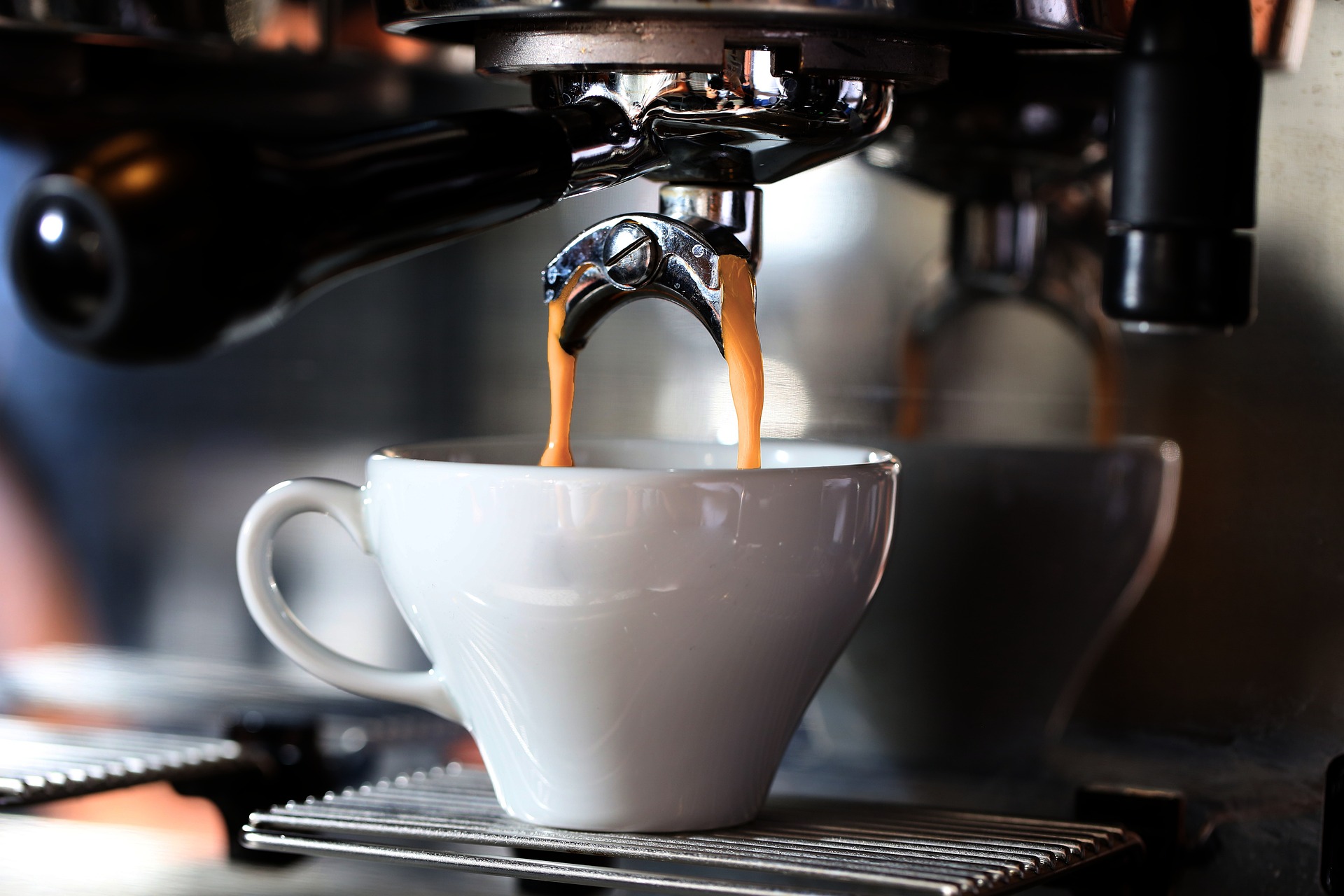
I’ve never been a coffee person. Not in the “I only drink it occasionally” sense, but in the “I genuinely don’t care for it and don’t understand its cultural hype” sense. To me, coffee is one of those beverages that people talk about the way others talk about wine—tones, notes, origins, roasts, craft, cold brews, nitro brews, pour-overs, and all sorts of fancy terminology that never fully made sense to me. I once wrote a post about how I find it bizarre that people willingly hand over big bucks for coffee from popular brands like Starbucks, Peet’s, or Philz when, to my untrained palate, it all tastes about the same.
Of course, I understand some people love it. And some people need it. And some people genuinely enjoy the ritual of it. But for me? Coffee has never been special.
That is, until my recent wedding anniversary trip—when, somehow, I found myself observing coffee culture from an entirely new angle. It wasn’t the taste of coffee that made me think differently. It was the behavior around it.
Every year, around the same time as our wedding anniversary, I get to use my annual free Hyatt hotel stay. It’s a small tradition now—one that combines celebration with convenience. This year, we stayed at a Hyatt that offers free breakfast. Not just bagels or pastries, but a full breakfast spread along with complimentary drinks: milk, juice, tea, and yes… coffee.
As someone who doesn’t care for coffee, I usually ignore that giant steel dispenser sitting at the corner of every hotel breakfast area. But this time, I figured: why not? I would be driving most of the trip, and free caffeine is still caffeine. If coffee could help me stay more alert on the road, I wasn’t going to complain. So I picked up a cup, filled it halfway, added some milk so it tasted less like, well, coffee, and called it a day.
But as I was grabbing my free cup, something caught my attention—something that became the entire inspiration for this post.
As my wife and I were finishing up our food, a couple of guests were checking out of the hotel. They had their luggage with them and appeared ready to head out. As they passed through the lobby toward the exit, they stopped at the small on-site Starbucks counter.
Yes—Starbucks. Inside the hotel. Just a few steps away from the free unlimited coffee that was literally ten feet in the other direction.
They paid full price for their Starbucks coffee.
I watched, confused. There was free coffee right there. No line. No fuss. No payment. Just grab and go.
And yet, these guests chose to spend money—upwards of $5 or more per cup—on brand-name coffee when they could have walked two steps further and gotten a free one.
That moment stuck with me. Not because I was judging them, but because it made me genuinely curious: Why do people willingly pay for coffee even when free coffee is available right in front of them?
The obvious explanation is quality. Hotel coffee doesn’t have the greatest reputation. Some people swear that hotel coffee is weak, stale, generic, or downright unpleasant. I can’t argue with that because I don’t have a refined coffee palate. But I can understand the idea.
For someone who drinks coffee daily, maybe even multiple times per day, there’s comfort in knowing exactly what you’re getting. Starbucks, Peet’s, and Philz have built entire empires on consistency. A traveler might think:
“I don’t want to risk a bad cup of coffee. I’ll just get something I know I’ll like.”
Even if it’s free elsewhere, reliability might matter more.
Still, I don’t think that’s the full answer. Because that morning, I watched guests walk right past the complimentary station—not even pausing to check its quality. They didn’t smell it. Didn’t inspect it. Didn’t look at how fresh it was. They didn’t even give it a chance.
So clearly, it wasn’t about evaluating quality. It was about something deeper.
Some people are simply creatures of habit. For many coffee drinkers, their daily Starbucks isn’t just a beverage—it’s part of their morning routine. The act of ordering it. Holding the cup. Taking that first sip while walking out of the lobby. It’s almost meditative.
Habits can be powerful. Strong enough to override logic. Strong enough to override cost. Strong enough that even when free coffee is within grabbing distance, the internal autopilot says:
“Nope, we do Starbucks.”
To non-coffee drinkers like me, that might seem silly. But I’ve had my own habits—brand preferences or little routines—that I cling to without thinking. I may not drink coffee, but I understand the psychology.
Still, there’s another layer to this—one that feels slightly uncomfortable to admit but also difficult to ignore.
Brand-name coffee has become a subtle symbol. Not an overt “look how rich I am” display, but a more casual, everyday form of signaling. A Starbucks cup says:
“I’m someone who can afford a $6 latte.”
“I appreciate premium coffee.”
“I’m part of the culture.”
It’s a membership badge you can hold in your hand. And it’s more socially recognizable than a hotel’s generic paper cup.
For some people, this matters.
Again, I’m not saying this critically. Humans signal things all the time—our clothing choices, the cars we drive, the restaurants we frequent, even the tech devices we buy. Coffee has simply become one of those status markers that blend seamlessly into daily life.
Even the branding reinforces this. Starbucks cups are instantly recognizable. Holding one creates a certain identity. Free hotel coffee? Nobody will assume anything special about you from that.
There’s also a psychological factor at play: value perception.
Something free is often perceived as lower quality, even when that isn’t necessarily true. Price affects the mind:
Marketers know this. Coffee chains know this. And because of that, people sometimes trust paid options more—even when free alternatives exist.
In other words, the free hotel coffee may not have been worse; it just wasn’t branded. And that alone might have made all the difference.
While watching those guests buy Starbucks coffee, I wasn’t judging them—I was realizing something about myself.
I don’t care about coffee.
But I do care about observing the way people make decisions. I think it’s fascinating how much of our daily behavior is shaped by routine, branding, identity, habit, and perception. We often think we’re acting logically, but most of the time we’re guided by something more subtle and more emotional.
Watching someone buy a coffee they could have gotten for free was a reminder of how powerful those forces can be.
After that morning, I kept thinking about the little cup of free hotel coffee I drank. Did it taste amazing? No. Did it get the job done? Probably. Did I feel like I missed out by not paying for Starbucks? Not even a little.
In fact, I found myself kind of amused that my cup—which cost me literally nothing—served the same functional purpose as theirs, despite the branding.
It made me think: maybe I’ve been too dismissive of coffee culture. Not because I suddenly enjoy coffee, but because I finally understand just how deep the emotional connection can run for others.
After observing that moment in the hotel lobby and reflecting on it during the trip, I’ve come to this conclusion:
People don’t pay for coffee because they need coffee.
They pay for what the coffee means to them.
It could be:
Free coffee, no matter how unlimited or convenient, can’t compete with all of that.
At the end of the day, everyone has their quirks, preferences, and rituals. Mine might seem odd to someone else. The things I’m willing to spend money on might seem unnecessary to another person. We all have our little luxuries—some cost more than others.
For some people, that luxury is a morning coffee with a green or blue logo on the cup.
For me, the luxury is understanding the world just a bit more each time I observe something small and seemingly trivial—like someone buying Starbucks coffee when free coffee is sitting right in front of them.