Physical Address
304 North Cardinal St.
Dorchester Center, MA 02124
Physical Address
304 North Cardinal St.
Dorchester Center, MA 02124

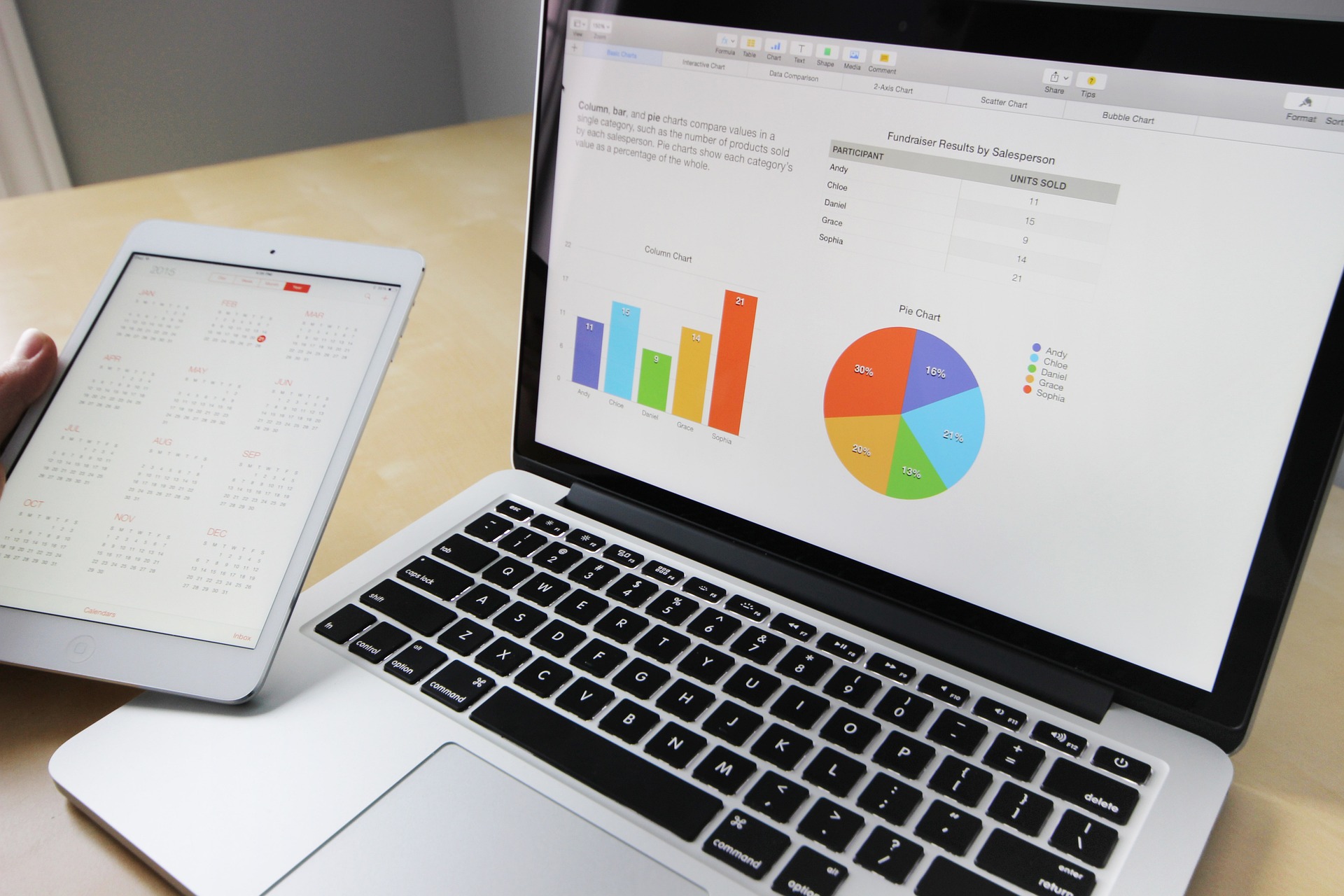
For as long as I can remember, I’ve been the kind of person who likes to keep track of things — whether it’s my workouts, my projects, or my finances. But it wasn’t until I started tracking my income and expenses consistently on a monthly basis that I truly understood where my money was going. That one habit completely changed the way I manage my finances, and it continues to guide my spending decisions today.
I began this routine several years ago, long before I got married. Each month, I would open up an Excel spreadsheet and start entering every bit of income I earned. That included not only my paycheck but also any interest from savings accounts, dividends from investments, or small side hustles that brought in extra cash. Then, I’d list all my expenses — rent, utilities, food, gas, travel, and entertainment. I’d subtract all of that from my total income to see how much I was actually saving each month.
It might sound tedious, but this simple system helped me develop an incredible level of financial awareness. It wasn’t about creating the “perfect” spreadsheet; it was about building a habit of accountability.
After several months of tracking, I started to notice clear patterns. On a typical month, I was saving between 30% and 40% of my income. Those were my normal, steady months — nothing fancy, just living within my means and being mindful of my spending.
Then, there were the “good months,” where my savings rate would climb as high as 80%. Those were usually the months when I didn’t travel or make any big purchases. I cooked most of my meals at home, limited unnecessary shopping, and basically stayed focused on my financial goals.
Of course, there were also “bad months.” These were the times when I spent more than I’d like to admit, and my savings dropped below 20%. Almost every time that happened, I could trace it back to travel expenses — plane tickets, hotels, eating out, and entertainment while away.
By tracking everything, I could see exactly why those bad months happened. It wasn’t a mystery. I wasn’t wondering, “Where did all my money go?” I could open up my spreadsheet, look at the categories, and instantly identify what had changed. That awareness made me more intentional about future spending decisions.
Then, life took a turn — I met my wife. And as any couple knows, combining finances (even partially) can be an adjustment. Suddenly, I wasn’t just tracking my spending habits; I had to factor in our spending habits.
After a few months, I noticed something interesting — our total spending had increased quite a bit. At first, it didn’t feel like we were living any differently. We weren’t buying expensive gadgets or making big purchases. But when I looked at my spreadsheet, I saw the truth staring back at me.
The biggest jump was in one category: eating out.
Before marriage, I’d spend around $200 per month on restaurants and takeout. But now, that number had ballooned to more than five times that amount. We were spending close to $1,000 a month on dining out.
It was shocking.
And the funny thing is, if I hadn’t been tracking my expenses, I probably wouldn’t have noticed it so clearly. I would’ve just assumed that “life got more expensive” or that inflation was to blame. But by having hard numbers in front of me, I couldn’t ignore it. The data told the story — our meals out were draining our savings.
That realization became a turning point for us. Once we identified the problem, we didn’t feel guilty — we just adjusted. We made a conscious effort to cook more at home, meal prep for the week, and limit eating out to special occasions.
Within a couple of months, our food expenses dropped significantly, and our savings rate bounced back to healthier levels. It felt good to be in control again.
That’s the real benefit of tracking your spending — it gives you control.
You can’t manage what you don’t measure. If you’re not tracking your spending, it’s almost impossible to understand where your money is actually going. You might think you have a “rough idea,” but those small expenses — coffee runs, snacks, streaming subscriptions, random Amazon purchases — add up faster than you realize.
Once you start tracking, you begin to see patterns, habits, and even emotional triggers that influence your spending. Maybe you spend more on weekends when you’re bored, or you notice that certain months are heavier because of holidays or vacations. These insights can be eye-opening.
Now, you might be thinking, “That sounds great, but I don’t have time to build an elaborate Excel spreadsheet.”
And that’s fair. Not everyone enjoys data entry or spreadsheets. The good news is that you don’t need to go to that extreme anymore. Most credit card companies and banks now offer detailed spending summaries right in your account dashboard.
You can see your spending broken down by category — food, travel, shopping, entertainment, and more. Many even provide month-to-month comparisons or alerts when your spending increases significantly in a specific area.
If you’re new to tracking, that’s a great place to start. Just log into your account once a month and take a few minutes to review where your money went.
If you prefer something more visual or interactive, there are also budgeting apps like Mint, YNAB (You Need A Budget), or Personal Capital that automatically categorize your transactions and generate reports. They make it incredibly easy to see trends and set spending goals.
But whether you use a spreadsheet, an app, or your bank’s summary tool, the key is consistency. Make it a monthly habit. Set aside time to review your finances just like you would check your fitness progress or work performance.
If you do want to go the Excel route, here’s a quick outline of how I structure mine:
This setup doesn’t take long to maintain — maybe 15 minutes per month — but it provides a clear picture of my financial health.
When you start tracking your spending, something interesting happens: your mindset changes.
You begin to think twice before making impulsive purchases. You start asking yourself questions like, “Do I really need this?” or “Would I rather save this money instead?”
It’s not about becoming stingy or depriving yourself — it’s about becoming intentional. You stop spending out of habit and start spending with purpose.
Over time, you also develop a better sense of what “enough” looks like for you. You might realize that you don’t actually need to spend a ton of money to be happy. Sometimes, cutting back on one area (like eating out) can free up funds for something more meaningful — like travel, investments, or future goals.
Once you have data from a few months, you can use it to build a realistic budget.
Look at your average spending in each category, then set a target for the next month. For example, if you usually spend $800 on food but want to bring that down to $500, create that goal in your spreadsheet or app. Then, monitor your progress throughout the month.
The goal isn’t perfection — it’s awareness. Some months will still go over budget, and that’s okay. What matters is that you’re conscious of your choices and can adjust as needed.
Budgeting also helps you plan for irregular expenses like car maintenance, gifts, or travel. By anticipating them, you can spread out those costs and avoid financial surprises.
Since I started tracking my spending, I’ve experienced several long-term benefits beyond just saving money:
Tracking your spending might sound like a small habit, but it’s one of the most powerful tools for achieving financial stability. Whether you do it with an Excel spreadsheet, a budgeting app, or your credit card’s spending summary, the key is consistency and awareness.
When I first started, it was about curiosity — I simply wanted to know where my money was going. But over time, it became the foundation of my entire financial strategy.
If you’re trying to figure out why you’re spending so much or why it feels like your paycheck disappears too fast, do yourself a favor: start tracking your spending. You might be surprised by what you find.
Once you know, you can take action — and that’s when real financial progress begins.