Physical Address
304 North Cardinal St.
Dorchester Center, MA 02124
Physical Address
304 North Cardinal St.
Dorchester Center, MA 02124

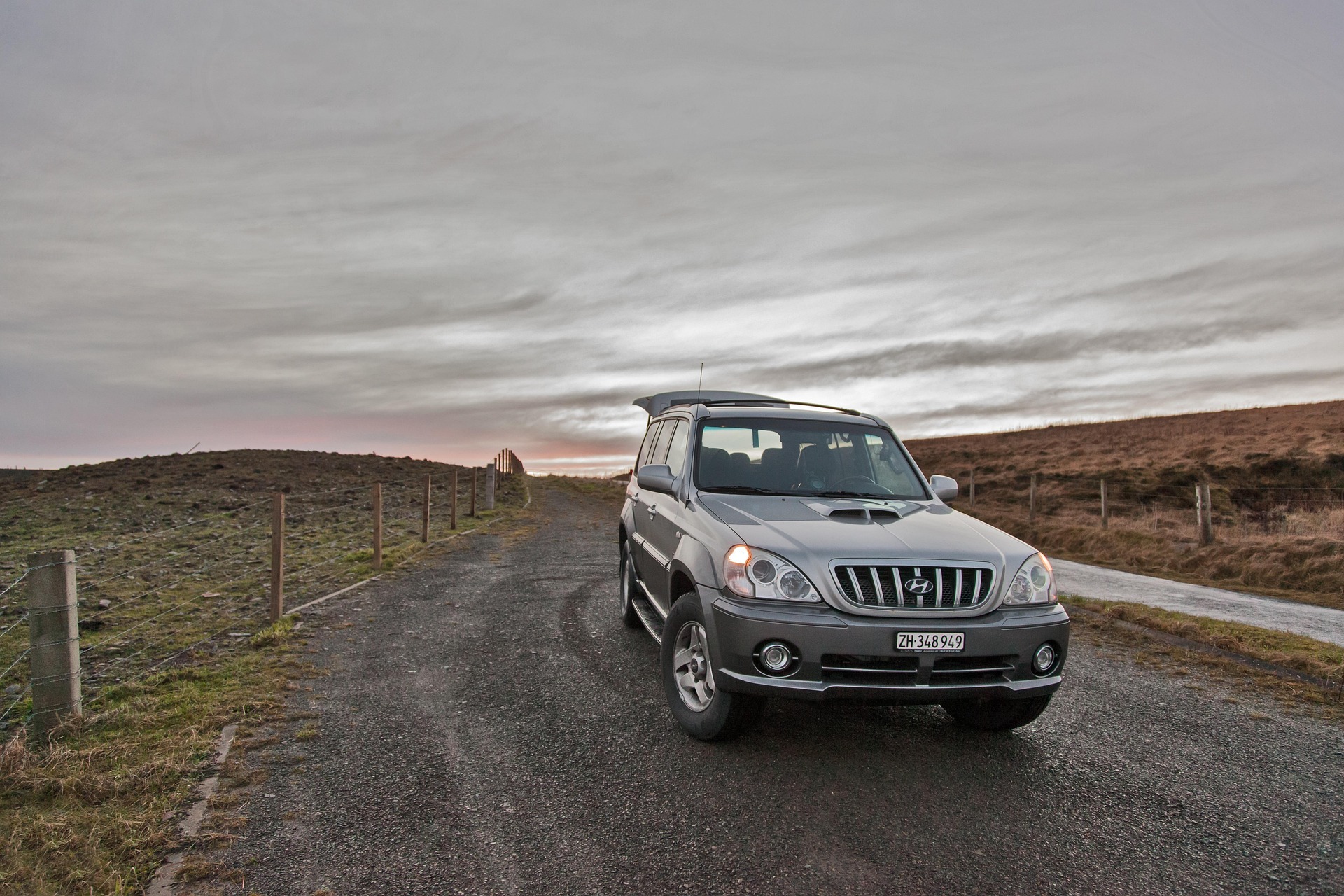
When the COVID-19 pandemic hit in 2020, it didn’t just change how we lived, worked, and traveled—it completely disrupted global supply chains. Everything from toilet paper to computer chips suddenly became scarce. But one of the most surprising industries to be hit hard was the automobile market. For the first time in decades, both new and used car prices skyrocketed to unprecedented levels.
The shortage of microchips, the backbone of modern vehicles, caused automakers to halt or slow down production lines. Shipping delays, labor shortages, and logistical challenges only made things worse. As a result, consumers faced empty lots, long waitlists, and sticker shock at dealerships. People were paying thousands over MSRP (Manufacturer’s Suggested Retail Price) for new cars, while used cars—once a bargain—became almost as expensive as new ones.
This strange phenomenon created some unexpected winners. Some car owners realized they could sell their used vehicles for more than they originally paid—a scenario almost unheard of before the pandemic. That brings me to a personal story that perfectly captures this unique moment in time.
A while back, my wife’s friend shared a story that perfectly summed up the bizarre state of the car market during COVID. She had owned a small SUV for a few years. It wasn’t new anymore, but it was in good condition and had low mileage. When the used car shortage hit full swing, dealerships were desperate to buy pre-owned cars. She got an offer she couldn’t refuse—more than what she had paid for the vehicle brand new.
She jumped at the opportunity, sold the car, and walked away with a tidy profit. But instead of buying another used car, she decided to lease a new one. Her reasoning made sense on the surface:
“With a lease, I can drive a new car every three years, and I don’t have to worry about maintenance or depreciation.”
It’s a tempting idea. After all, who doesn’t like the thought of driving a shiny new car every few years without long-term commitments? But when you start breaking down the numbers and considering the long-term implications, leasing versus buying is a much more nuanced debate—especially in the volatile market we’ve seen since COVID.
Before diving into the financial side of leasing versus buying, it’s important to understand how the pandemic reshaped the auto industry.
These combined forces led to one of the strangest car markets in modern history. A three-year-old used car could cost as much—or more—than a brand-new one just a year earlier.
Many consumers saw dollar signs when used car values soared. Instead of holding onto their vehicles, they cashed out. Leasing became especially attractive because new cars were so hard to come by, and leases often gave priority access to inventory.
Leasing allowed people to:
But there’s a catch. Leasing might feel financially smart in the short term, but over the long haul, it’s usually the more expensive route.
Let’s break down the pros and cons of both options, especially in light of what happened during and after COVID.
If you lease continuously, you’ll always have a car payment. If you buy and keep your car long enough—say, 10 years—you’ll enjoy several years without payments.
For example:
In the long run, ownership wins financially almost every time.
That’s not to say leasing is always bad. There are situations where it might make sense:
If those factors matter more to you than long-term cost savings, leasing might be a practical lifestyle choice. But it’s not the best option for building wealth or minimizing expenses.
As the world reopened and supply chains slowly recovered, car production began to stabilize. However, the market didn’t immediately return to normal. Prices stayed high for years due to lingering shortages, inflation, and pent-up demand.
By 2023 and 2024, things started to cool down. Used car prices began to dip slightly, and dealerships started offering modest incentives again. But the days of selling your car for a profit are likely over—at least for now.
This means that for those who sold during the peak and leased a new car, their strategy may no longer hold up. When their leases expire, they’ll face higher interest rates, less favorable lease deals, and the potential of higher monthly payments if they want another new car. Meanwhile, those who bought before or during COVID and held onto their vehicles likely came out ahead financially.
If your goal is financial stability and long-term savings, buying and keeping your car until it no longer makes sense to repair it is still the best option. Here’s why:
The key is maintenance. Regular oil changes, tire rotations, and timely repairs can easily extend a car’s life beyond 10 years or 150,000 miles.
The COVID car shortage taught us several lessons about supply, demand, and financial discipline:
The pandemic car shortage was a once-in-a-lifetime event that turned the car market upside down. It gave some people an unexpected profit opportunity, like my wife’s friend who sold her used car for more than she paid. But it also created a false sense of financial confidence.
Leasing a car may seem like a smart or even trendy decision, but when you look at the bigger financial picture, buying and keeping a car for the long run remains the smarter play. Cars are depreciating assets—tools that get you from point A to point B—not status symbols or investment vehicles.
The best move isn’t the one that feels exciting today—it’s the one that gives you more freedom tomorrow. And in most cases, that means owning your car, maintaining it, and enjoying the peace of mind that comes with not having a monthly payment hanging over your head.